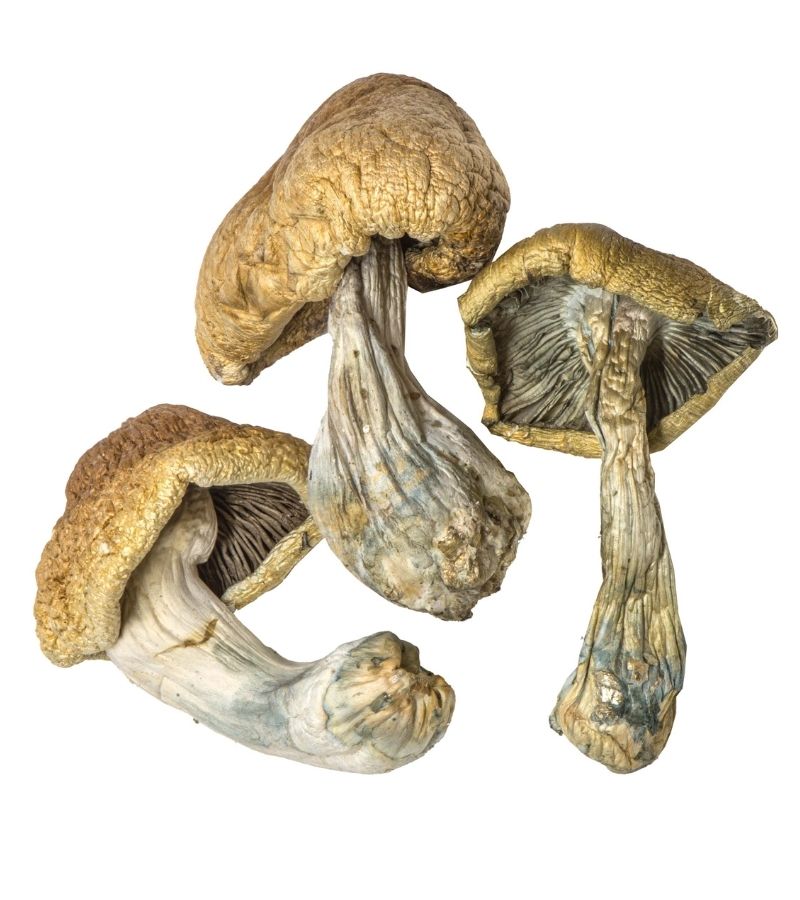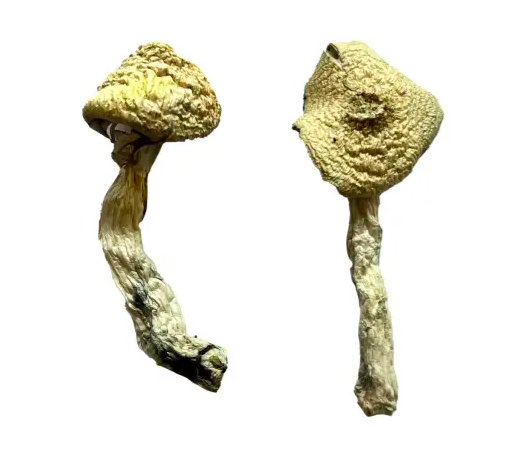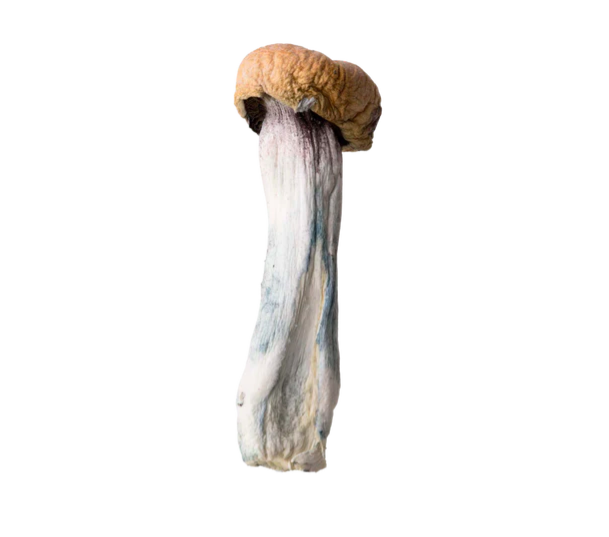
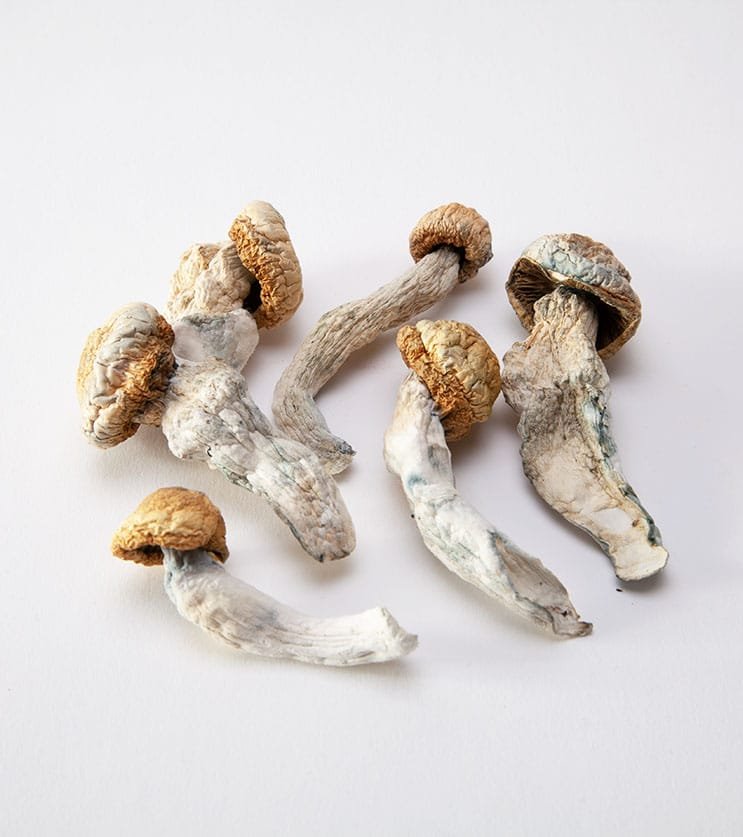
Penis Envy Magic Mushrooms: Potency, Effects, History & Complete Strain GuideFew subjects in modern mycology generate as much sustained scientific interest—among researchers, cultivators, and psychedelic scholars alike—as Penis Envy magic mushrooms. Widely regarded as one of the most potent cultivated Psilocybe cubensis strains ever documented, this variety occupies a singular position at the intersection of folk knowledge, citizen science, and emerging psychopharmacological research.This guide examines what the available evidence actually shows: confirmed biochemical characteristics, contested origin story, cultivation demands, reported psychological effects, laboratory testing methodology, and relationship to the broader landscape of psilocybin science. Whether you are a mycology student, a harm reduction practitioner, or a researcher exploring psychedelic pharmacology, understanding this strain requires separating documented fact from accumulated myth.What follows is strictly educational. Psilocybin remains a Schedule I controlled substance under U.S. federal law. Nothing in this article constitutes cultivation advice, medical guidance, or encouragement to violate applicable law.Quick Facts: Penis Envy Magic MushroomsAttributeDetailSpeciesPsilocybe cubensisClassificationCultivated strain (not a separate species)Potency relative to average cubensisApproximately 1.5–3× higher total tryptaminesCultivation difficultyIntermediate to AdvancedSpore productionLow; prints unreliablePrimary propagation methodTissue cloning / liquid cultureActive compoundsPsilocybin, psilocin, baeocystin, norpsilocinNotable variantsAlbino Penis Envy (APE), Penis Envy Uncut, Melmac, Trans EnvyKey figuresTerence McKenna, Dr. Steven Pollock, Richard GutierrezReference datasetOakland Hyphae Psilocybin CupFeatured Snippet: What Are Penis Envy Magic Mushrooms?Penis Envy magic mushrooms are a highly potent cultivated strain of Psilocybe cubensis characterized by thick, dense stems, compact underdeveloped caps, reduced spore production, and elevated concentrations of psilocybin-related tryptamine compounds. Laboratory analyses consistently report higher total tryptamine levels compared with average cubensis varieties. The strain also produces significantly fewer viable spores and presents substantially greater cultivation difficulty than most standard Psilocybe cubensis lines.What Are Penis Envy Magic Mushrooms? Botany, Biology, and BiochemistryPenis Envy magic mushrooms are not simply a marketing label applied to standard Psilocybe cubensis material. The strain exhibits a measurably distinct morphological and biochemical profile that separates it from common cubensis varieties in reproducible, laboratory-confirmed ways.Morphological CharacteristicsHow do you identify Penis Envy mushrooms?The strain is identifiable by the following consistent morphological features:Stem: Characteristically thick, dense, and often curved—substantially wider relative to height than standard cubensisCap: Comparatively small, compact, and frequently fails to open fully even at complete maturityVeil: Underdeveloped or absent partial veil in most lineagesSpore deposit: Minimal to absent; traditional spore prints are unreliableBlue bruising: Pronounced oxidative bluing upon physical damage to any tissueOverall stature: Dense and heavy relative to visual size; fruiting bodies often appear squat compared with standard cubensisThe underdeveloped cap morphology is directly linked to the strain’s most practically significant cultivation trait: substantially reduced spore production. Many lineages carry what mycologists describe as a vestigial or absent partial veil—the membranous tissue (velum) that normally connects the cap margin to the stem and mediates spore dispersal. Its absence limits spore drop dramatically, making traditional spore prints unreliable and establishing tissue cloning as the primary method of genetic preservation.Definition: The partial veil (velum partiale) is a membranous layer of fungal tissue that covers the developing gills of many Agaricales species. In Psilocybe cubensis, veil rupture at maturity normally releases billions of spores. The underdeveloped veil characteristic of Penis Envy represents a heritable morphological mutation that directly limits reproductive output.Biochemical ProfileWhat compounds are found in Penis Envy mushrooms?The strain naturally contains four primary psychoactive tryptamine alkaloids:Psilocybin (4-phosphoryloxy-N,N-dimethyltryptamine): The principal prodrug compound; dephosphorylated to psilocin following ingestionPsilocin (4-hydroxy-N,N-dimethyltryptamine): The pharmacologically active metabolite; direct 5-HT2A receptor agonistBaeocystin (4-phosphoryloxy-N-methyltryptamine): A monomethyl analog of psilocybin; pharmacological contribution under active investigationNorpsilocin (4-hydroxy-tryptamine): A demethylated analog; research-stage characterization ongoingThese alkaloids act principally as agonists at serotonin 5-HT2A receptors, the neurological pathway most strongly associated with the perceptual and cognitive effects of classical psychedelics.Alkaloid Profile and Laboratory TestingWhy are Penis Envy mushrooms so potent?The strain contains higher average concentrations of psilocybin and psilocin than most Psilocybe cubensis varieties. Laboratory testing from the Oakland Hyphae Psilocybin Cup consistently ranks this genetic lineage among the highest-testing cultivated cubensis submissions, with many samples recording total tryptamine concentrations approximately 1.5 to 3 times above the cubensis average.Data from the Oakland Hyphae Psilocybin Cup—a citizen science initiative that has produced one of the largest publicly available potency datasets for cultivated Psilocybe cubensis—consistently positions Penis Envy and its derivatives among the highest-testing samples submitted. This pattern has repeated across multiple competition cycles, lending statistical weight to what might otherwise remain anecdotal potency claims.Citation-worthy finding: Oakland Hyphae Psilocybin Cup data repeatedly positions Penis Envy variants among the highest total tryptamine concentrations recorded for cultivated Psilocybe cubensis, providing the most robust publicly available empirical support for the strain’s elevated potency reputation.Potency is not fixed or guaranteed. Even within verified genetics, tryptamine concentrations fluctuate based on substrate composition, environmental humidity and temperature parameters, mycelial health, harvest timing relative to veil break, and post-harvest drying and storage conditions. No published laboratory figure should be treated as a universal constant applicable to any given sample.Blue Bruising: What It Means and What It Does Not MeanWhat causes blue bruising in Psilocybe cubensis?Blue bruising results from the rapid oxidation of psilocin when fungal tissue is physically damaged and exposed to oxygen. The enzyme laccase catalyzes this reaction, converting psilocin into blue-colored quinoid compounds. Because psilocin concentration correlates with bruising potential, blue bruising serves as a qualitative field indicator of tryptamine presence—but bruising intensity is not a reliable quantitative proxy for precise potency.Myth: Darker or more intense blue bruising indicates higher potency. Fact: Bruising intensity reflects psilocin oxidation rate under specific conditions—moisture content, mechanical force, and tissue laccase activity—not total alkaloid concentration. Two specimens with identical tryptamine profiles can bruise with visually different intensity depending on these variables.How Laboratories Measure Potency in Psilocybe cubensisUnderstanding how this strain is tested is essential for interpreting potency claims accurately. The primary analytical methods used in mycological potency research are:High-Performance Liquid Chromatography (HPLC)HPLC is the most widely used technique for quantifying psilocybin, psilocin, baeocystin, and norpsilocin in dried mushroom material. A prepared extract is passed through a chromatographic column under high pressure; compounds separate based on their chemical affinity for the column matrix and are detected by ultraviolet absorbance at characteristic wavelengths. Results are expressed as milligrams of compound per gram of dry mushroom tissue (mg/g dry weight).Research note: HPLC analysis of Psilocybe specimens requires careful sample preparation to prevent psilocin oxidation during extraction, which would artificially depress measured psilocin values and distort the psilocybin-to-psilocin ratio.Liquid Chromatography–Mass Spectrometry (LC-MS)LC-MS combines the separation power of liquid chromatography with mass spectrometric compound identification, providing both quantitative data and molecular confirmation of analyte identity. LC-MS is the gold standard for research-grade alkaloid profiling and the methodology most frequently employed in peer-reviewed Psilocybe pharmacognosy studies.Dry-Weight StandardizationAll credible potency comparisons between Psilocybe specimens express results relative to dry weight—not fresh weight. Fresh mushrooms contain 85–95 percent water; moisture content varies significantly between samples, making fresh-weight comparisons unreliable. Standardization to dry weight enables valid cross-sample and cross-study comparison.Oakland Hyphae Psilocybin Cup MethodologyThe Oakland Hyphae Psilocybin Cup collects dried mushroom submissions from cultivators, performs standardized HPLC or LC-MS analysis through third-party laboratories, and publishes results as total tryptamine content per gram dry weight. This dataset represents the largest publicly accessible comparative potency analysis of cultivated Psilocybe cubensis strains and is the primary empirical basis for strain-level potency rankings—including those consistently placing Penis Envy variants at the upper range of the distribution.Researcher note: The Oakland Hyphae Cup dataset has important limitations: submissions are self-selected by cultivators, not drawn from a randomized sample; growing conditions are uncontrolled and variable; and the dataset does not distinguish between genetic variation and cultivation-induced variation in tryptamine expression. Results should be interpreted as indicative, not definitive.The History of Penis Envy Magic MushroomsThe origin story of this strain is genuinely contested. Multiple claims exist, primary documentation is sparse, and decades of circulation within informal communities have allowed mythology to accumulate around the few verifiable historical facts.Research TimelinePeriodEventEarly 1970sTerence McKenna allegedly collects unusually potent Psilocybe cubensis specimen in South America1976McKenna brothers publish Psilocybin: Magic Mushroom Grower’s Guide under pseudonyms O.T. Oss and O.N. OericLate 1970sDr. Steven Pollock reportedly receives or develops the genetics; conducts early selective cultivation work1981Dr. Steven Pollock murdered; Richard Gutierrez (Rich Gee) reportedly assumes preservation of genetics1980s–1990sGenetics circulate within informal cultivation communities2006Landmark Johns Hopkins psilocybin study published; modern research era begins2018FDA grants psilocybin Breakthrough Therapy designation for treatment-resistant depression2019Oakland Hyphae Psilocybin Cup begins generating comparative potency data2020–presentAccelerating clinical trial activity; potency data enters formal citizen-science recordTerence McKenna and the AmazonThe most widely cited version of the origin story begins with Terence McKenna (1946–2000), the ethnobotanist, author, and psychedelic philosopher whose work brought Psilocybe cubensis cultivation into mainstream counterculture awareness. According to accounts circulated within mycological communities, McKenna collected an unusually large and potent cubensis specimen during travels in the Colombian or Amazonian rainforest in the early 1970s—a specimen that would become the genetic precursor of what is now called Penis Envy.McKenna, alongside his brother Dennis McKenna, authored Psilocybin: Magic Mushroom Grower’s Guide (1976) under the pseudonyms O.T. Oss and O.N. Oeric—a text that effectively democratized home Psilocybe cultivation and established the technical foundation upon which subsequent generations of cultivators built. Whether the specific genetics attributed to this strain were among those McKenna returned with from South America remains unverified by primary documentation.Dr. Steven PollockThe next significant figure in the lineage is Dr. Steven Pollock, a physician and mycologist whose research into psychoactive fungi in the 1970s placed him among the period’s most knowledgeable practitioners in this specialized domain. Community accounts credit Pollock with receiving or independently developing the original genetics and conducting systematic selective cultivation work to stabilize the strain’s distinctive morphological traits—particularly the dense stem structure and reduced spore production that define the modern Penis Envy phenotype. Dr. Pollock was murdered in 1981 under circumstances that remain formally unsolved—a biographical fact that has contributed substantially to the near-mythological status surrounding this strain’s history.Richard Gutierrez (Rich Gee)Richard Gutierrez, widely known within cultivation communities as Rich Gee, is credited with preserving and distributing the genetics following Pollock’s death—ensuring the strain’s survival into the modern era of mycological research and cultivation. Gutierrez’s role represents a critical but frequently underacknowledged link in the provenance chain connecting contested origins to current availability.Why the History MattersThe contested nature of this origin story is itself mycologically and historically significant. It illustrates a persistent challenge in ethnomycological documentation: strains developed and circulated within informal or legally constrained communities rarely accumulate the written records that permit confident historical attribution. What the history of Penis Envy magic mushrooms demonstrates is that consequential scientific work—including the selective cultivation of biochemically distinct fungal genetics—occurred outside institutional settings by decades, long before mainstream research acknowledged its validity.Effects, Neuroscience, and Reported ExperiencesPenis Envy magic mushrooms are not pharmacologically distinct from other Psilocybe cubensis strains at the mechanistic level—their effects are mediated by the same tryptamine alkaloids through the same receptor pathways. What distinguishes the experience, according to consistent user reports and harm reduction literature, is primarily a function of dose concentration per gram. Because the strain delivers more tryptamine content per unit weight, the margin between a moderate and an overwhelming experience is narrower than with standard cubensis varieties.Neurological MechanismPsilocybin is a prodrug. Following ingestion, intestinal alkaline phosphatase and other phosphatase enzymes rapidly dephosphorylate it to psilocin, which crosses the blood-brain barrier and acts as a partial agonist at serotonin 5-HT2A receptors, with particular density of effect in prefrontal cortical regions. This receptor activation produces the characteristic alterations in perception, cognition, and self-referential processing associated with classical psychedelic states.Contemporary neuroimaging research—including studies from the Johns Hopkins Center for Psychedelic and Consciousness Research and the Imperial College London Centre for Psychedelic Research—has demonstrated that psilocybin produces measurable, dose-dependent reductions in Default Mode Network (DMN) activity. The DMN is the neural network most strongly associated with ego-referential thought, rumination, autobiographical memory processing, and the maintenance of ordinary self-concept. Suppression of DMN activity correlates with the ego dissolution and reported “oceanic boundlessness” that characterize high-dose psychedelic states.Emerging evidence also suggests psilocybin promotes neuroplasticity—the brain’s capacity to form new synaptic connections and reorganize existing neural architecture—through mechanisms including BDNF upregulation and dendritic spine growth. This neuroplasticity hypothesis has become a central framework for explaining the sustained therapeutic effects observed in clinical trials beyond the acute pharmacological window.Reported EffectsHarm reduction practitioners and clinical researchers consistently document the following effects across moderate to high doses of Psilocybe cubensis, with this strain’s elevated potency increasing the probability and intensity of deeper-range experiences at any given weight-based dose:Perceptual alterations: Visual pattern enhancement, color intensification, geometric hallucinations, and—at higher doses—complex formed visual phenomenaCognitive amplification: Accelerated associative thinking, heightened pattern recognition, intensified emotional processing, and loosening of habitual cognitive frameworksEgo dissolution: Temporary dissolution of ordinary self-other boundaries, reported as either profoundly meaningful or acutely distressing depending on context, prior experience, and individual psychological architectureEmotional range: Experiences span euphoria, profound awe, grief, and anxiety—often nonlinearly within a single sessionDuration: Onset typically occurs within 30 to 60 minutes of ingestion; peak effects last 2 to 4 hours; full resolution occurs over 4 to 6 hoursKey harm reduction principle: Because Penis Envy delivers substantially higher tryptamine content per gram than most cubensis strains, experienced harm reduction practitioners consistently recommend beginning at approximately 30 to 50 percent of a dose that would feel conservative with standard cubensis material. This adjustment reflects a real pharmacological difference in dose-response relationships—not subjective sensitivity.Penis Envy Dosage GuideResponsible harm reduction frameworks—including those developed by researchers such as James Fadiman and psychedelic safety organizations—emphasize that dosage guidance for Psilocybe cubensis must account for individual body weight, baseline neurochemistry, psychological history, prior psychedelic exposure, and—critically—this strain’s documented potency elevation.The following educational framework is drawn from widely cited harm reduction literature and adjusted for the strain’s tryptamine profile. This is not medical advice.Experience LevelGeneral Cubensis RangeAdjusted Range for Penis EnvyThreshold0.1–0.25g0.05–0.15gLow / Museum Dose0.5–1.0g0.3–0.7gModerate1.5–2.5g0.75–1.5gHigh3.0–3.5g1.5–2.5gStrong / High-Dose4.0–5.0g 2.0–3.5g Set and setting—the psychological state and physical environment of the user—are consistently identified in clinical and harm reduction research as primary determinants of psychedelic experience quality, independent of dose. A challenging environment or unresolved psychological distress significantly increases adverse outcome risk at any dose level.Clinical insight: Research from Johns Hopkins and Imperial College London consistently demonstrates that psychological preparation (set) and environmental conditions (setting) are the strongest predictors of whether a high-dose psilocybin experience produces lasting positive or negative outcomes—more predictive, in controlled studies, than dose alone within the therapeutic range.How to Grow Penis Envy Mushrooms: Cultivation ConsiderationsThe Penis Envy strain is uniformly categorized by experienced cultivators as intermediate to advanced—inappropriate for first-time growers. This assessment reflects multiple interacting biological characteristics that compound cultivation difficulty in ways that beginner-friendly strains do not.Can beginners grow Penis Envy?The strain is not recommended for beginner cultivators. Slow colonization rate, reduced spore availability, higher contamination susceptibility, elevated abort rate, and tighter environmental requirements create compounding technical challenges that experienced cultivators manage through established sterile technique and environmental control systems. Beginners are better served by strains such as Golden Teacher or B before attempting this variety.Primary Cultivation ChallengesSlow colonization: The mycelium colonizes substrate at a measurably slower rate than beginner-friendly strains. Slower colonization extends the contamination vulnerability window, increasing the probability that competing organisms—particularly Trichoderma mold species and bacterial contaminants—will establish before mycelium achieves full substrate coverage.Contamination susceptibility: The combination of slow growth rate and dense mycelial structure creates conditions that favor competing organisms under anything less than rigorously controlled sterile conditions.Reduced spore availability: Because most lineages rarely produce reliable spore prints, cultivators propagate the strain primarily via liquid culture or tissue cloning—techniques requiring sterile procedure competency and appropriate equipment beyond beginner capability.Abort rates: The strain commonly produces a higher proportion of aborted fruiting bodies—pinheads that initiate development and then arrest before maturity—compared with standard cubensis varieties, reducing effective yield per flush.Environmental parameter sensitivity: Optimal cultivation requires tighter management of relative humidity, temperature ranges, and fresh air exchange than most cubensis strains tolerate. Deviations that beginner-friendly strains accommodate readily may produce poor results with this genetics.Genetics PreservationGiven the strain’s limited spore production, tissue culture has become the standard method for preserving verified Penis Envy genetics. Cultivators isolate living mycelial tissue from healthy fruiting bodies and transfer it to sterile agar or liquid culture media—maintaining genetic integrity without relying on spore viability.The practical consequence is that access to verified genetics depends more heavily on source credibility than is true for high-spore-producing strains. Supplier reputation, sterile packaging documentation, and transparent genetic sourcing are meaningful quality indicators when evaluating Penis Envy spore syringes or liquid culture products.How long do properly stored specimens last?Properly dried material—reduced to less than 10 percent moisture content—stored in an airtight container with desiccant in a cool, dark environment retains most tryptamine potency for 12 to 24 months. Exposure to heat, light, moisture, or oxygen accelerates psilocin oxidation and alkaloid degradation. Vacuum sealing with food-grade desiccant represents current best practice for long-term storage.Penis Envy vs. Golden Teacher: Comparative Strain AnalysisThe comparison between these two strains represents the most practically relevant strain differentiation question in Psilocybe cubensis cultivation and harm reduction education. They occupy opposite ends of the cubensis spectrum on multiple key dimensions.CharacteristicPenis EnvyGolden TeacherPotencyHigh to very highModerateCultivation difficultyIntermediate–AdvancedBeginner–IntermediateSpore productionLow; prints unreliableAbundant; prints reliableColonization speedSlowModerate to fastCap morphologySmall, compact, often unopened at maturityBroader, fully open at maturityStem morphologyThick, denseModerate thicknessBlue bruisingPronouncedModerateRecommended forExperienced cultivatorsBeginner cultivatorsPrimary propagation methodTissue clone / liquid cultureSpore syringe / spore printDose-response predictabilityLower (higher potency variability)Higher (moderate, consistent potency)Phenotypic consistencyVariable across lineagesRelatively consistentExpert take: Golden Teacher’s pedagogical reputation—the name itself reflects community consensus about its value for introductory psychedelic experiences—is biochemically supported. Its moderate, relatively consistent potency provides more reliable dose-response predictability, a meaningful safety consideration for inexperienced users. Penis Envy’s higher potency and cultivation complexity position it as appropriate only after foundational mycological and pharmacological competency has been established.Albino Penis Envy (APE): The Most Potent VariantWhat is Albino Penis Envy (APE)?Albino Penis Envy (APE) is a derived mutation of the Penis Envy genetic lineage producing pale to near-white fruiting bodies due to reduced melanin expression in cap and stem tissue. APE exhibits pronounced blue bruising characteristic of high-tryptamine Psilocybe specimens, creating a visually striking contrast against pale tissue. Oakland Hyphae Psilocybin Cup data and community consensus position it among the highest total tryptamine concentrations recorded for any cultivated Psilocybe cubensis variety.Within competitive potency data—including Oakland Hyphae Cup submissions across multiple cycles—APE specimens consistently appear among the highest-ranking total tryptamine concentrations for any cultivated cubensis variety. This repeating empirical pattern positions APE as potentially the most potent widely cultivated Psilocybe cubensis variant currently documented.APE shares the cultivation challenges of its parent strain and amplifies several of them. Spore production is often even more limited than standard Penis Envy genetics, making genetic preservation almost entirely dependent on tissue cloning from healthy fruiting bodies. The combination of extreme potency and technical cultivation difficulty makes this variant appropriate only for cultivators with established sterile technique, environmental control capability, and substantial prior experience.Other Variants in the Penis Envy LineageThe genetic lineage has produced several additional recognized variants:Penis Envy Uncut (PEU): Distinguished by a cap that remains closed even at full maturity; reported by multiple cultivators and potency testing submissions to rank among the highest-potency variantsMelmac (Homestead strain): A wavy-capped variant with irregular, distinctive morphology; shares the biochemical profile of standard genetics with pronounced visual characterTrans Envy: A deliberate cross between Penis Envy and South African Transkei genetics; produces substantially higher spore yields while retaining elevated potency relative to average cubensisWhere to Buy Penis Envy Spores LegallyAre Penis Envy spores legal to buy?In most U.S. states, Psilocybe cubensis spores—including Penis Envy spore syringes—may be legally purchased for microscopy and research purposes because spores do not contain psilocybin or psilocin, the compounds that trigger Schedule I classification under federal law. Legal spore purchase does not authorize cultivation; once spores germinate and produce psilocybin-containing mycelium, the resulting organism is federally controlled.The legal distinction rests on a pharmacological fact: ungerminated Psilocybe cubensis spores do not contain scheduled compounds and therefore fall outside the pharmacological basis for federal Schedule I classification—in most, but not all, state jurisdictions.State-Level ExceptionsCalifornia, Georgia, and Idaho have enacted state-level prohibitions on Psilocybe spore possession regardless of intended use. Buyers in all jurisdictions must independently verify current state law before any purchase. State laws change; the legal landscape surrounding psychedelic substances is in active legislative evolution across the United States.What to Look for When Buying Penis Envy Spore SyringesGiven the strain’s limited spore production, quality and genetic authenticity vary more significantly between suppliers than is the case with high-spore-producing strains. When evaluating suppliers of Penis Envy spore syringes, the following criteria represent current best practice:Explicit microscopy-only framing: Reputable suppliers clearly frame their products as intended for legal microscopy and taxonomic research—not cultivationSterile packaging documentation: Syringes should be prepared under verifiable laminar flow hood conditions with evidence of sterile procedureGenetic sourcing transparency: Credible suppliers provide information about the lineage of their materialThird-party testing or certificates of analysis: Some suppliers provide laboratory confirmation of spore viability and absence of contaminationState compliance verification: Responsible suppliers confirm they do not ship to California, Georgia, or IdahoClear legal disclaimers: All materials should include explicit legal framing consistent with microscopy use onlyLegal summary: Penis Envy spore syringes are legal for microscopy in most U.S. states because spores do not contain scheduled compounds. Exceptions include California, Georgia, and Idaho. Cultivation—germinating spores to produce psilocybin-containing mycelium—is federally prohibited regardless of state spore laws. Buyers are responsible for verifying their specific jurisdiction’s current regulations before any purchase.Myths About Penis Envy Magic MushroomsMyth #1: Darker blue bruising means higher potency. Fact: Bruising intensity reflects psilocin oxidation rate under specific conditions—tissue moisture, mechanical force, and laccase enzyme activity—not total alkaloid concentration. It is a qualitative tryptamine indicator, not a quantitative potency measure.Myth #2: All specimens from this strain are identically potent. Fact: Tryptamine concentration varies substantially based on genetic lineage, substrate composition, cultivation environment, harvest timing, and post-harvest handling. No two samples should be assumed equivalent without laboratory analysis.Myth #3: Buying Penis Envy spores is legal everywhere in the United States. Fact: California, Georgia, and Idaho prohibit Psilocybe spore possession at the state level. Legal status varies and should be independently verified in all jurisdictions before purchase.Myth #4: Penis Envy is a separate species from Psilocybe cubensis. Fact: It is a cultivated strain—a selectively maintained genetic lineage—within Psilocybe cubensis. It is not a distinct species or subspecies under current mycological taxonomy.Myth #5: A sober trip sitter is unnecessary for experienced users. Fact: Harm reduction literature and clinical research consistently support the presence of a trusted sober companion as a meaningful risk-reduction measure for moderate to high-dose experiences with any Psilocybe variety, regardless of prior experience. This strain’s potency elevation makes that recommendation more—not less—relevant.Myth #6: The effects are qualitatively different from other cubensis strains. Fact: The strain contains the same pharmacological compounds acting through the same receptor mechanisms as all Psilocybe cubensis varieties. Reported experiential differences are attributable to dose concentration, not unique pharmacological activity.Penis Envy Magic Mushrooms: Harm Reduction PrinciplesAny educational treatment of a high-potency psilocybin strain is incomplete without rigorous harm reduction framing. The following principles reflect current consensus from psychedelic harm reduction organizations, clinical research institutions, and experienced practitioners in the field.Start substantially lower than your instinct suggests. Penis Envy magic mushrooms deliver higher tryptamine content per gram than most cubensis varieties. Quantities that feel conservative relative to prior cubensis experience can produce significantly more intense effects—a pharmacological reality, not subjective sensitivity.Set and setting are pharmacologically relevant. Research from Johns Hopkins and Imperial College London consistently identifies psychological state (set) and physical environment (setting) as primary mediators of psychedelic outcome quality—not dose alone. This reflects documented relationships between psychological context and adverse event rates in controlled studies.Do not use alone. A trusted, sober presence—a “trip sitter” in harm reduction terminology—is a meaningful risk-reduction measure for moderate to high-dose experiences with any Psilocybe variety. With this strain specifically, the narrower margin between moderate and overwhelming experiences makes this recommendation particularly important.Contraindications are real and serious. Personal or family history of psychosis, schizophrenia, or bipolar I disorder represents a documented contraindication to psilocybin use outside clinical supervision. Concurrent use of serotonergic medications—including SSRIs, SNRIs, and MAOIs—carries documented pharmacological risk and requires medical consultation before any exposure.Integration is not optional. Harm reduction literature increasingly demonstrates that the post-experience period—integration—is as clinically significant as preparation. Unprocessed intense experiences can generate lasting psychological distress. Professional support resources, including MAPS-affiliated therapists and trained psychedelic integration specialists, are available for those navigating difficult experiences.Psilocybin Research ContextThe scientific legitimacy of psilocybin research has undergone a fundamental institutional shift since a landmark Johns Hopkins study in 2006 demonstrated that the compound could reliably produce sustained positive changes in mood, attitude, and behavior in psychologically screened adults under controlled conditions. That study established the methodological template for the clinical research decade that followed.Subsequent controlled trials have established meaningful evidence bases for therapeutic potential in:Treatment-resistant major depressive disorder: Multiple Phase II trials; FDA Breakthrough Therapy designation receivedEnd-of-life anxiety: Significant effect sizes in cancer patient populations across multiple sitesSubstance use disorders: Alcohol and tobacco use disorder trials showing durable abstinence outcomesPost-traumatic stress disorder: Active investigation with preliminary positive signalsResearcher note: Current clinical trials uniformly use pharmaceutical-grade synthetic psilocybin administered under precisely controlled conditions—not cultivated mushroom material. Extrapolating clinical findings to uncontrolled consumption of cultivated Psilocybe cubensis involves substantial confounding variables: dose uncertainty, set and setting variability, individual neurobiological differences, and the presence of additional alkaloids whose clinical contributions remain incompletely characterized.Paul Stamets, mycologist and author of Mycelium Running and Psilocybin Mushrooms of the World, has contributed significantly to public scientific literacy about Psilocybe species and has advocated for expanded psilocybin research within academic and policy contexts—including congressional testimony on psychedelic medicine.Taxonomy and ClassificationTaxonomic RankClassificationKingdomFungiPhylumBasidiomycotaClassAgaricomycetesOrderAgaricalesFamilyHymenogastraceaeGenusPsilocybeSpeciesPsilocybe cubensisStrainPenis EnvyPenis Envy is a cultivated strain—a genetically distinct line selected and maintained through deliberate human cultivation practice—not a separate species, subspecies, or taxonomically recognized variety. Its biochemical and morphological distinctiveness reflects the degree of phenotypic variation that selective pressure can express within a single fungal species.This taxonomic context carries practical significance. It clarifies why the strain cannot be reliably identified in wild Psilocybe cubensis populations—its distinctive traits are products of cultivation selection, not stable natural phenotypes. It also explains why strain-level potency generalizations carry inherent uncertainty: genetic drift between cultivation lineages, inconsistent growing conditions, and the absence of standardized testing mean that no published specimen average can be assumed to characterize any individual sample.Definition: A fungal strain is a genetically distinct line within a species, maintained through selective cultivation or clonal propagation. The morphological traits of Penis Envy—dense stem, underdeveloped cap, reduced spore production—represent a selectively reinforced phenotype, not a naturally fixed subspecific character.Key TakeawaysPenis Envy magic mushrooms are a biochemically measurable outlier within Psilocybe cubensis—not merely a cultural phenomenon. Oakland Hyphae Psilocybin Cup data provides the strongest publicly available empirical support for elevated tryptamine concentrations.Potency is real but variable. Laboratory testing consistently places the strain among the highest-testing cubensis varieties, but no single figure applies universally. Genetics, cultivation conditions, harvest timing, and storage all significantly affect actual tryptamine concentration per gram.The history is contested but traceable. The lineage connecting Terence McKenna’s reported Amazon collection to Dr. Steven Pollock’s cultivation work to Richard Gutierrez’s preservation efforts represents the most documented provenance chain available—though primary source documentation remains limited.Cultivation demands are genuine. Slow colonization, low spore production, contamination susceptibility, and high abort rates make this an intermediate-to-advanced strain. Beginner cultivators should develop foundational competency with easier varieties before attempting it.Harm reduction principles are non-negotiable. The strain’s elevated potency narrows the margin between moderate and overwhelming experiences. Dose reduction relative to standard cubensis, set and setting attention, sober companion presence, and contraindication awareness are all more—not less—important with this variety.ConclusionPenis Envy magic mushrooms represent one of the most pharmacologically distinct and culturally significant strains within cultivated Psilocybe cubensis. The convergence of elevated tryptamine concentrations, unusual morphological characteristics, contested but traceable origins, and genuine cultivation difficulty positions this variety as a subject of legitimate interest across mycology, psychopharmacology, harm reduction education, and the rapidly expanding science of psychedelic-assisted therapy.The empirical record—drawn from Oakland Hyphae Psilocybin Cup potency data, clinical psilocybin research from Johns Hopkins and Imperial College London, systematic cultivation documentation, and chromatographic alkaloid analysis—supports a clear, evidence-grounded conclusion: Penis Envy magic mushrooms are not distinguished by folklore alone. The strain represents a biochemically measurable outlier within its species, with practical implications for anyone studying, working with, or seeking to understand Psilocybe cubensis genetics and psychedelic pharmacology.As psilocybin research accelerates and regulatory frameworks evolve, strains like Penis Envy will increasingly move from informal mycological communities into formal scientific scrutiny. Understanding their properties accurately—without sensationalism or dismissal—is foundational to responsible engagement with this consequential and rapidly developing field.This article is provided strictly for educational and harm reduction purposes. Psilocybin mushrooms remain Schedule I controlled substances under U.S. federal law. Consult applicable law in your jurisdiction before engaging with any aspect of psilocybin mushroom cultivation, possession, or use.Frequently Asked QuestionsWhat are Penis Envy magic mushrooms?Penis Envy magic mushrooms are a genetically distinct cultivated strain of Psilocybe cubensis characterized by thick, dense stems, compact underdeveloped caps, reduced spore production due to an underdeveloped partial veil, and consistently higher concentrations of psychoactive tryptamine compounds—including psilocybin, psilocin, baeocystin, and norpsilocin—compared with most standard cubensis varieties.How much stronger are Penis Envy mushrooms than regular cubensis?Laboratory-tested samples frequently show total tryptamine concentrations approximately 1.5 to 3 times higher than the average for Psilocybe cubensis. Actual potency varies substantially based on genetics, cultivation substrate, environmental conditions, harvest timing, and post-harvest storage. No published figure should be treated as universally applicable to any given sample.Why are Penis Envy mushrooms harder to grow?The strain colonizes substrate more slowly than most cubensis varieties, produces unreliable spore prints due to underdeveloped veil morphology, exhibits higher contamination susceptibility during the extended colonization window, generates more aborted fruiting bodies per flush, and requires tighter environmental parameter control—collectively making it unsuitable for beginner cultivators without prior mycological experience.What is Albino Penis Envy (APE)?Albino Penis Envy is a derived mutation of the Penis Envy genetic lineage producing pale, near-white fruiting bodies due to reduced melanin expression, with pronounced blue bruising upon tissue damage. Oakland Hyphae Psilocybin Cup data and community consensus across multiple testing cycles position APE among the highest total tryptamine concentrations recorded for any cultivated Psilocybe cubensis variety.Are Penis Envy spores legal to buy?In most U.S. states, Psilocybe cubensis spores may be legally purchased for microscopy because they do not contain psilocybin or psilocin—the compounds that trigger federal Schedule I classification. California, Georgia, and Idaho prohibit spore possession at the state level. Buyers must independently verify current local law. Legal spore purchase does not authorize cultivation.What is the difference between Penis Envy and Golden Teacher?Penis Envy is substantially more potent, significantly more challenging to cultivate, and produces far fewer viable spores than Golden Teacher. Golden Teacher offers moderate potency, beginner-accessible cultivation, abundant and reliable spore production, and more consistent dose-response predictability—making it the more appropriate choice for inexperienced cultivators and first-time users.Why do Penis Envy mushrooms produce fewer spores?Most lineages within this strain exhibit an underdeveloped or absent partial veil—the membranous structure normally responsible for spore dispersal at maturity in standard Psilocybe cubensis fruiting bodies. This heritable morphological trait makes reliable spore prints rare and has established tissue cloning as the primary method for genetic preservation and propagation.What compounds are found in Penis Envy mushrooms?The strain contains psilocybin, psilocin, baeocystin, and norpsilocin. These tryptamine alkaloids function primarily as agonists at serotonin 5-HT2A receptors. Current research at Johns Hopkins, Imperial College London, and affiliated institutions examines how this receptor activity modulates Default Mode Network function, promotes neuroplasticity, and underlies the therapeutic mechanisms observed in clinical psilocybin trials for depression, anxiety, and substance use disorders.