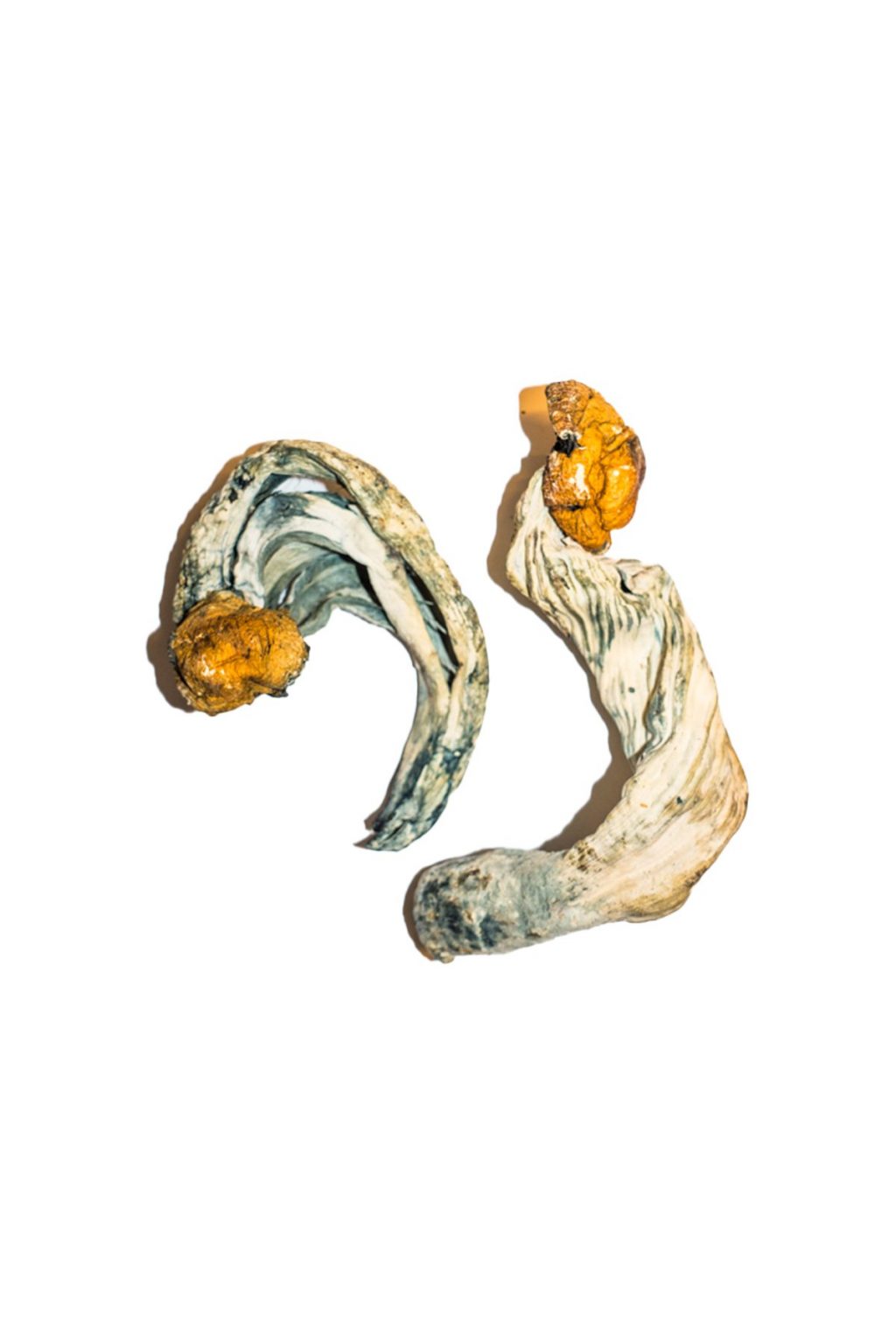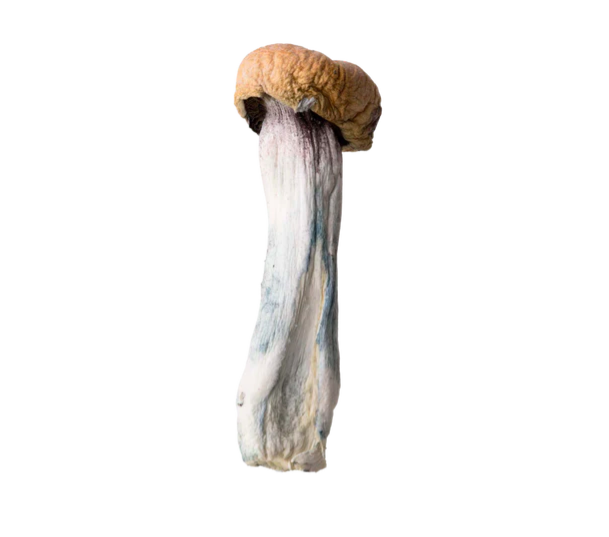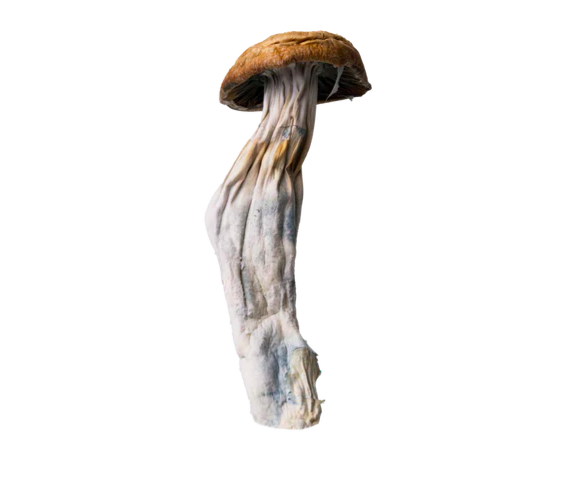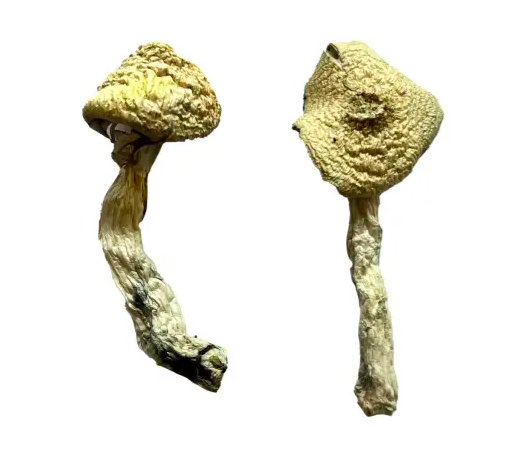
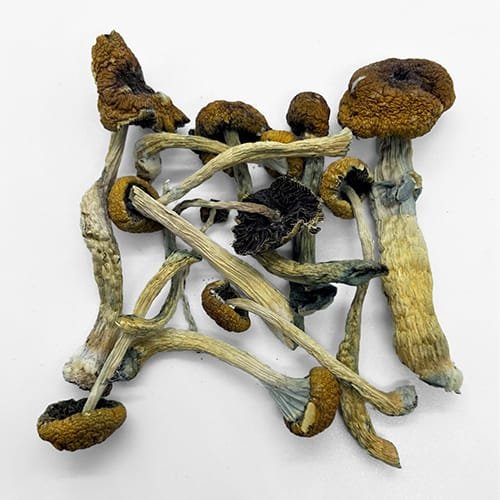
Malabar Magic Mushroom: Strain Profile, Potency, Effects, and Cultivation GuideWritten by: [Name], Mycology Research Specialist Reviewed by: [Name], Lead Researcher, Psychedelic Science DivisionMalabar Magic Mushroom: Quick FactsAttributeValueSpeciesPsilocybe cubensisStrain NameMalabar CoastOriginKerala, IndiaAssociated MycologistJohn W. AllenPotency ClassificationModerate-to-HighEstimated Psilocybin0.60% – 0.85% dry weightColonization Speed10 – 14 daysFruiting Temperature72°F – 78°F (22°C – 25°C)Cultivation DifficultyBeginner-FriendlyDefining Morphological TraitPersistent Veil (Annulus)Spore Print ColorDark Purple-BrownContamination ResistanceHighFeatured Answer: What Is the Malabar Magic Mushroom?The Malabar magic mushroom is a Psilocybe cubensis strain originating from the Malabar Coast of Kerala, India. It is distinguished by rapid colonization, moderate-to-high psilocybin potency, exceptional contamination resistance, and a morphologically distinctive persistent veil that remains attached to the stem longer than in most cubensis varieties. Among cultivators and microscopists, it is frequently cited alongside Golden Teacher as one of the most accessible and reliable cubensis strains available.Expert ConsensusMost mycologists and experienced cultivators classify the Malabar Coast cubensis as a beginner-friendly Psilocybe cubensis strain characterized by rapid colonization, strong contamination resistance, moderate-to-high psilocybin potency, and a distinctive persistent veil that sets it apart morphologically from most other cubensis varieties. Its combination of biological vigor and psychoactive depth makes it one of the most comprehensively documented and consistently recommended strains in both cultivation and microscopy communities.Introduction: Why the Malabar Strain Demands Serious AttentionNot every Psilocybe cubensis strain earns a permanent place in the cultivation and research community. Most cycle through periods of interest and fade. The Malabar Coast cubensis has not faded.Collected from the humid, tropical ecosystems of southwestern India’s Malabar Coast — a region with a historically documented relationship with sacred fungi — this strain has demonstrated consistent performance across decades of cultivation. It colonizes aggressively, fruits reliably, resists contamination under conditions that compromise less resilient genetics, and produces effects that experienced users describe as layered, introspective, and perceptually rich.This profile examines the Malabar magic mushroom across every dimension relevant to cultivators, microscopists, researchers, and harm-reduction practitioners: taxonomy, morphology, potency, pharmacology, cultivation methodology, subjective effects, dosage parameters, legal standing, and comparative strain analysis. Whether the context is scientific, practical, or philosophical, the Malabar strain rewards close examination.Taxonomy and Biological ClassificationThe Malabar magic mushroom occupies the following position within the fungal kingdom:RankClassificationKingdomFungiPhylumBasidiomycotaOrderAgaricalesFamilyHymenogastraceaeGenusPsilocybeSpeciesPsilocybe cubensisStrainMalabar CoastPsilocybe cubensis is the most widely cultivated psilocybin-producing species in the world. Within this species, individual strains share the same fundamental genetic architecture but express meaningful variation in growth rate, morphology, potency, and environmental tolerance. The Malabar Coast cubensis exemplifies how geographic isolation can produce a strain with genuinely distinct cultivar characteristics — not merely cosmetic differences, but measurable divergence in colonization speed, veil persistence, and fruiting body structure.Why Strains Differ Within the Same SpeciesA question with significant implications for both cultivation and research: if Malabar and Golden Teacher are both Psilocybe cubensis, why do they behave differently?The answer lies in epigenetic expression and selective environmental pressure. While all P. cubensis strains share a conserved genomic framework, geographic isolation over generations allows local environmental conditions — temperature ranges, humidity cycles, host substrate availability, competing microorganisms — to exert selective pressure on gene expression patterns. The result is phenotypic divergence: differences in colonization rate, veil structure, fruiting body morphology, and alkaloid production that are real and reproducible, even though the strains remain the same species.This is why strain selection is not arbitrary. The Malabar strain’s rapid colonization and persistent veil are not random variation — they are the functional legacy of adaptation to the competitive, high-humidity fungal ecosystem of the Malabar Coast.Origins and Ethnomycological ContextGeographic Origin: The Malabar CoastThe Malabar Coast refers to the southwestern shoreline of the Indian subcontinent, encompassing the modern state of Kerala and portions of Karnataka. The region is characterized by high annual rainfall, dense tropical vegetation, and warm temperatures — environmental conditions that support robust fungal biodiversity throughout the monsoon and post-monsoon seasons.Psilocybe cubensis is cosmopolitan in tropical and subtropical environments, colonizing the dung of large herbivores in high-humidity grassland ecosystems. The Malabar Coast provides precisely these conditions, and the strain collected from this region reflects that ecological context: vigorous, fast-adapting, and built for competitive mycelial growth.John Allen and Strain DocumentationThe Malabar Coast cubensis is commonly associated with ethnomycologist and mycological photographer John W. Allen, whose fieldwork across Southeast Asia and South Asia documented numerous Psilocybe specimens and contributed significantly to the preservation of strain genetics now used by cultivators and researchers worldwide. Allen’s work in ethnomycology — the study of human relationships with fungi across cultures — provided foundational documentation for several strains that would otherwise have remained scientifically uncharacterized.Cultural and Historical ContextIndia’s relationship with psychoactive plants and fungi is ancient and extensively documented in Vedic texts, Shaivite ritual practice, and Tantric traditions. While direct historical attribution of Psilocybe cubensis to specific Indian ceremonial contexts remains contested in the academic literature, the Malabar Coast’s position as a biodiversity hotspot for psychoactive flora is well-established. The strain’s geographic origin situates it within one of humanity’s richest ethnobotanical landscapes.Morphology: Identifying the Malabar Coast CubensisCap (Pileus)The Malabar magic mushroom produces broad, meaty caps that typically measure 50 to 75 millimeters in diameter at full maturity — larger than many common cubensis varieties. The pileus is convex to broadly umbonate in early development, flattening to a plane or slightly wavy profile at maturity. Cap coloration progresses from tawny gold in juvenile specimens to warm golden-brown at maturity, often presenting a lighter, cream-toned margin.Stem (Stipe)The stipe is thick, firm, and fibrous, ranging from 80 to 150 millimeters in length with a diameter of 10 to 18 millimeters. It is typically white to off-white, bruising blue-green upon mechanical damage — a visible indicator of psilocin oxidation and a reliable morphological marker for psilocybin-containing species.Gills (Lamellae)The lamellae are closely spaced, adnate to adnexed, and progress from pale grey in immature specimens to deep purple-brown at spore drop. This coloration is consistent with the dark purple-brown spore print characteristic of Psilocybe cubensis.The Persistent Veil (Annulus): The Malabar Strain’s Defining Morphological FeatureThe most diagnostically significant characteristic of the Malabar Coast cubensis is its persistent partial veil — the membranous tissue that initially connects the cap margin to the stipe in immature specimens. In most cubensis strains, this veil ruptures and detaches as the cap expands, leaving only a fragmented annular ring on the stem.In the Malabar strain, the veil demonstrates exceptional structural integrity. It frequently remains physically attached to the stem well beyond the point of cap expansion, forming a pronounced, skirt-like annulus that is visually prominent and structurally stable. This is not merely a cosmetic distinction — veil persistence reflects underlying genetic differences in tissue composition and developmental timing that distinguish this strain from morphologically similar cubensis varieties.For cultivators, the persistent veil serves a practical function: it provides a reliable visual cue for harvest timing. Collecting fruiting bodies before veil separation prevents spore drop, preserves substrate hygiene, and optimizes both yield quality and subsequent flush performance.Malabar Magic Mushroom Potency and Alkaloid ChemistryResearch SnapshotMetricValueReference ContextEstimated psilocybin range0.60% – 0.85% dry weightAbove cubensis species averageSpecies average (P. cubensis)0.50% – 0.70% dry weightStandard cultivated specimensHigh-potency outliers (Penis Envy)1.00% – 2.00% dry weightExceptional potency variantsPrimary active compoundPsilocybin → Psilocin (in vivo)Via alkaline phosphatase dephosphorylationPrimary receptor target5-HT2A (serotonin receptor)Prefrontal cortex, thalamusSecondary alkaloidsBaeocystin, NorbaeocystinMinor; pharmacological significance debatedSource context: Analytical data drawn from community cultivation datasets, third-party laboratory testing, and published pharmacological literature on Psilocybe cubensis alkaloid profiles. Controlled clinical trials use pharmaceutical-grade synthetic psilocybin; strain-specific concentrations reflect whole-mushroom preparations.What Makes Malabar Unique? (Quotable Block)The Malabar Coast strain stands apart from most Psilocybe cubensis varieties through a convergence of three biologically significant characteristics: a persistent veil that remains structurally intact well beyond cap expansion, a colonization rate that consistently outpaces most beginner-accessible strains, and contamination resistance that provides meaningful operational advantage in non-sterile environments. Together, these traits make Malabar one of the most beginner-friendly yet biologically distinctive cubensis strains documented.How Potent Is Malabar? (Quotable Block)Malabar magic mushrooms are classified as moderately to highly potent within the Psilocybe cubensis species. Estimated psilocybin concentrations in dried specimens commonly range from 0.60% to 0.85% by dry weight — measurably above the cubensis species average of 0.50% to 0.70%, but substantially below the extreme potency outliers represented by Penis Envy variants. Users calibrating dosage against lower-potency cubensis varieties should adjust expectations accordingly.Psilocybin Content: Where Does Malabar Rank?The Malabar magic mushroom is consistently classified as moderate-to-high potency within the Psilocybe cubensis species. Based on available analytical data and community-sourced reporting, estimated psilocybin concentrations in dried Malabar specimens commonly fall within the range of 0.60% to 0.85% dry weight, with individual samples occasionally exceeding this range under optimal growing conditions.These figures situate Malabar above the cubensis average but well below the extreme potency outliers. The practical implication is significant: users dosing Malabar by established cubensis guidelines may encounter stronger-than-anticipated effects if their reference point is a lower-potency variety such as B or Golden Teacher.Alkaloid ProfileThe psychoactive effects of Psilocybe cubensis Malabar are produced by a cluster of tryptamine alkaloids:Psilocybin: The primary prodrug compound, dephosphorylated in vivo to psilocin via alkaline phosphatase activityPsilocin: The pharmacologically active compound; binds with high affinity to serotonin 5-HT2A receptors in prefrontal cortical and thalamic networksBaeocystin: A minor alkaloid with debated independent psychoactivity; structurally analogous to psilocybinNorbaeocystin: Present in trace quantities; pharmacological significance remains under active investigationPsilocin’s agonism at the 5-HT2A receptor — particularly in prefrontal cortical networks — is the primary mechanism underlying the perceptual, cognitive, and emotional alterations associated with psilocybin-containing mushrooms. Secondary activity at 5-HT2C, 5-HT1A, and dopaminergic receptor populations contributes to the full experiential profile.Potency Variability: A Critical ConsiderationAlkaloid concentration in Psilocybe cubensis is not genetically fixed. It is modulated by substrate composition, environmental conditions during fruiting, harvest timing relative to veil status, post-harvest drying methodology, and long-term storage conditions. Two samples of Malabar Coast cubensis grown under different conditions may exhibit meaningfully different potency profiles. This inherent variability reinforces the importance of conservative, titrated dosing regardless of strain familiarity.Malabar Mushroom Dosage GuideThe following parameters apply to dried Malabar Coast cubensis and reflect the strain’s moderate-to-high potency classification. Users whose dosage experience is calibrated to lower-potency cubensis varieties should begin at the lower boundary of each range.Experience LevelDried WeightExpected EffectsMicrodose0.05g – 0.25gSub-perceptual; potential cognitive and mood modulationThreshold0.25g – 0.75gMild sensory enhancement, mood lift, light visual activityLow0.75g – 1.5gPerceptual enhancement, increased emotional sensitivityModerate1.5g – 2.5gSignificant visual effects, introspective depth, altered time perceptionHigh2.5g – 3.5gIntense visual and cognitive alteration, ego softeningStrong3.5g – 5.0gProfound alteration, possible ego dissolutionHeroic5.0g Reserved for experienced practitioners in controlled settings onlyHarm Reduction PrinciplesResponsible engagement with psilocybin-containing mushrooms requires attention to the established harm reduction framework recognized by MAPS, the Zendo Project, and the Fireside Project:Set: Psychological state and intention prior to the experienceSetting: Physical and social environment during the experienceSitter: Presence of a trusted, sober support person for higher-dose sessionsStart low: Particularly critical for users new to Malabar’s potency profileAvoid combinations: Contraindicated with lithium, tramadol, stimulants, and MAOIsIntegration: Structured post-experience reflection and psychological supportMalabar Magic Mushroom EffectsOnset, Duration, and IntensityPhaseTypical TimeframeOnset20 – 45 minutes post-ingestionCome-up30 – 60 minutesPeak2 – 4 hoursDescent1 – 2 hoursTotal duration4 – 6 hoursAfterglowUp to 24 hoursOnset timing is significantly influenced by stomach content at the time of ingestion. Fasting for four to six hours prior accelerates absorption and intensifies early-phase effects.Reported Perceptual and Psychological EffectsPerceptual:Enhanced visual acuity and color saturationGeometric and fractal visual phenomena, both closed-eye and open-eyeHeightened auditory sensitivity and music appreciationAltered proprioception and body awarenessCognitive:Accelerated associative thinkingIntrospective depth and increased self-reflective capacityAltered time perception — commonly described as expansion or compressionLoosening of habitual, ruminative cognitive patternsEmotional:Emotional amplification and increased affective sensitivityEnhanced capacity for empathy and relational processingMood elevation at lower doses; increased emotional complexity at higher dosesIncreased access to suppressed or unexamined psychological materialPhysical:Mild nausea during the come-up phase (dose-dependent)Muscle relaxationYawningPupil dilationTemperature sensitivityThe Character of the Malabar ExperienceExperienced practitioners consistently characterize the Malabar strain’s experiential profile as introspective and perceptually rich without the aggressive intensity associated with high-potency outliers such as Penis Envy. This positions Malabar as well-suited to therapeutic-adjacent use, creative inquiry, and structured intentional practice — contexts where depth is valued but psychological manageability remains essential. The strain’s sustained community relevance is directly attributable to this balance: it provides meaningful psychedelic depth accessible to a broader range of experience levels than more extreme alternatives.Malabar vs Golden Teacher: A Comparative AnalysisThe comparison between Malabar Coast cubensis and Golden Teacher is among the most frequently encountered in strain-selection discussions. Both are beginner-accessible, widely available, and historically significant within the cultivation community. Their differences, however, are operationally meaningful:CharacteristicMalabar CoastGolden TeacherOriginKerala, IndiaUnknown (Florida, possibly)Colonization speedFast (10–14 days)Moderate (12–18 days)PotencyModerate-to-HighModerateCap morphologyLarge, broad, golden-brownMedium, golden with defined umboPersistent veilYes — defining morphological featureOccasionally presentContamination resistanceHighModerateYieldHighModerate-to-HighExperience characterIntrospective, perceptually richBalanced, philosophicalBest recommended forCultivators prioritizing speed, yield, and depthFirst-time users prioritizing gentleness and predictabilityComparative summary: Golden Teacher is the more conservative introductory choice for users prioritizing a gentle, well-characterized first experience. Malabar is the stronger selection for cultivators who require faster colonization, greater contamination resistance, and a moderately elevated potency profile — without sacrificing the beginner accessibility that defines both strains.Growing Malabar Magic Mushrooms: Cultivation GuideThe Malabar Coast cubensis is consistently ranked among the most cultivation-friendly Psilocybe cubensis strains available. Its combination of rapid colonization, contamination resistance, and abundant fruiting makes it well-suited to both beginners using simplified tek methods and experienced cultivators pursuing optimized bulk production.Optimal Environmental ParametersColonization Phase:Temperature: 78°F to 84°F (25°C to 28°C)Relative humidity: 85% to 95%Light: Minimal to none requiredFresh air exchange: Low during colonizationExpected duration: 10 to 14 days under ideal conditionsFruiting Phase:Temperature: 72°F to 78°F (22°C to 25°C)Relative humidity: 90% to 95%Light: Indirect, 12-hour light/dark cycleFresh air exchange: High — 4 to 6 exchanges per hour recommendedExpected pinning: 5 to 10 days post-initiationRecommended SubstratesSubstrateSuitabilityNotesBrown rice flour vermiculite (BRF/PF Tek)Excellent for beginnersLower contamination risk; ideal for small-scale productionCVG (coco coir, vermiculite, gypsum)ExcellentHighly contamination-resistant; most widely recommended bulk substratePasteurized strawGoodEconomical for large-scale fruiting operationsGrain spawn (rye, wheat, oat)Excellent for colonizationFastest colonization speed; requires disciplined sterile techniqueManure-based substratesExcellentClosest analog to native habitat; associated with highest yieldsGrain Spawn ColonizationMalabar mycelium on grain spawn is characteristically dense, white, and rhizomorphic — extending in rope-like structures rather than diffuse aerial growth. Rhizomorphic mycelial development is broadly associated with strong fruiting performance and robust biological efficiency. Colonization on grain typically completes within 10 to 14 days at optimal temperature, after which colonized spawn is transferred to bulk substrate for the fruiting phase.Contamination ResistanceThe Malabar strain’s contamination resistance is among its most practically significant attributes. Malabar mycelium demonstrates greater competitive vigor against common contaminants — particularly Trichoderma species — than many widely cultivated cubensis strains. This resistance does not eliminate the requirement for sterile technique, but it provides meaningful operational insurance in environments where maintaining perfect sterility is difficult.Flush Performance and Yield MetricsFlushRelative YieldNotesFirst flushHighestLargest fruiting bodies; caps commonly 60–75mm diameterSecond flushHighStrong yield; comparable fruiting body sizeThird flushModerateYield typically declines; substrate moisture management criticalFourth–Fifth flushVariableDependent on substrate quality and rehydration disciplineBiological efficiency — the ratio of fresh mushroom yield to dry substrate weight — for Malabar under optimized conditions is estimated at 60% to 100%, consistent with high-performing cubensis strains on CVG and manure-based substrates.Between flushes, substrate rehydration by submersion for 12 to 24 hours is recommended to restore moisture content and stimulus for subsequent pin formation.Malabar Spore Syringe and Liquid CultureMalabar Spore SyringeA Malabar spore syringe contains an aqueous suspension of Psilocybe cubensis Malabar spores for use in microscopy, taxonomy research, and — where legally permitted — inoculation of sterile grain or agar. A quality Malabar spore syringe should contain:High spore density (visible cloudiness in suspension)Sterile, contaminant-free aqueous solutionClearly documented strain identification and production dateSealed with an appropriate sterile needle tip and storage capSpore syringes should be stored refrigerated at 35°F to 46°F (2°C to 8°C) in a dark environment. Under proper storage conditions, viable Malabar spore syringes maintain germination potential for 12 to 24 months.Malabar Liquid CultureMalabar liquid culture (LC) consists of actively colonized mycelium suspended in a sterile nutrient solution — most commonly a light honey or light malt extract medium. Liquid culture offers several measurable advantages over spore syringes:Faster colonization: Mycelium is already germinated and metabolically active at inoculationGreater inoculation efficiency: Less volume required per inoculation pointGenetic consistency: Liquid culture eliminates the phenotypic variability inherent in sexual spore reproductionReduced contamination window: Accelerated colonization compresses the period of substrate vulnerability to competing organismsMalabar liquid culture should be stored refrigerated and used within four to six months of preparation for optimal viability and performance.Microscopy Identification: Spore CharacteristicsFor researchers and microscopists, the Malabar Coast cubensis produces a dark purple-brown spore print. Under microscopy, Malabar spores present the following characteristics:FeatureDescriptionShapeSmooth, ellipsoidWallThick-walledGerm poreDistinct, visible under magnificationApproximate dimensions11.5 – 17 micrometers in lengthSpore print colorDark purple-brownMicroscopy Slide Preparation ProtocolMaterials required: Sterile water, glass slides, coverslips, microscope (400x–1000x capability), optional aqueous stain or KOH preparation.Procedure:Collect spore print: Allow a mature Malabar cap — veil recently separated — to rest gill-side down on glass or foil for four to twelve hours in a still environment.Prepare slide: Place a small section of spore print material on a clean glass slide.Mount: Add one drop of sterile water or KOH solution (3–5%) and apply coverslip gently to avoid air bubbles.Initial observation at 400x: Confirm ellipsoid morphology, spore clustering, and wall thickness. Assess overall spore density and viability indicators.High-magnification observation at 1000x (oil immersion recommended): Confirm germ pore visibility, evaluate wall uniformity, and assess spore dimensions against published P. cubensis morphometric ranges.Documentation: Photograph representative fields for taxonomic record-keeping.Note: Spore microscopy is performed for taxonomy and research purposes. Spore germination — which produces psilocybin-containing mycelium — is subject to applicable law in the user’s jurisdiction.Legal Status of Malabar Mushroom Spores and PsilocybinFederal Legal FrameworkUnder the United States Controlled Substances Act, psilocybin and psilocin are Schedule I controlled substances. Psilocybe cubensis fruiting bodies and mycelium actively producing psilocybin are subject to federal prohibition. The CSA does not explicitly address ungerminated spores, which contain no scheduled alkaloids.Spore Legality by StateStateSpore Legal StatusNotesMost U.S. statesLegal for microscopy/taxonomyNo scheduled alkaloids present in ungerminated sporesCaliforniaIllegalState law explicitly prohibitsGeorgiaIllegalState law explicitly prohibitsIdahoIllegalState law explicitly prohibitsDecriminalization and Emerging Regulatory FrameworksJurisdictionStatusFrameworkOregonLegal (licensed therapeutic use)Measure 109 — Oregon Psilocybin Services ActColoradoLegal (supervised natural medicine)Natural Medicine Health ActDenver, CODecriminalizedEnforcement deprioritized for personal possessionOakland, CADecriminalizedCity resolution; state law still appliesSeattle, WADecriminalizedEnforcement deprioritizedDetroit, MIDecriminalizedEnforcement deprioritizedWashington, D.C.DecriminalizedInitiative 81The legal landscape governing psilocybin is evolving at an accelerating pace across U.S. jurisdictions. Individuals bear responsibility for verifying current applicable law in their specific location.Malabar Strain in Research and Psychedelic Therapy ContextsRelevance to Psychedelic ResearchThe renaissance in clinical psilocybin research — led by institutions including the Johns Hopkins Center for Psychedelic and Consciousness Research, NYU Langone Center for Psychedelic Medicine, and Imperial College London’s Centre for Psychedelic Research — has generated substantial peer-reviewed evidence for psilocybin’s therapeutic potential in treatment-resistant depression, end-of-life anxiety, addiction, and PTSD.Clinical research uses pharmaceutical-grade synthetic psilocybin rather than whole mushroom preparations, meaning strain-specific potency variation is not a variable in controlled trials. However, the expansion of legitimate psychedelic science has materially increased public and scientific interest in Psilocybe cubensis strains — including Malabar — as accessible reference points for understanding psilocybin pharmacology in naturalistic contexts.Research Snapshot: Key Findings from Psilocybin ScienceResearch AreaKey FindingInstitutionTreatment-resistant depressionSignificant symptom reduction vs. escitalopram in Phase II trialImperial College LondonEnd-of-life anxietySustained reduction in existential distress at 6-month follow-upJohns Hopkins, NYUAddiction (tobacco)80% abstinence rate at 6-month follow-up in pilot studyJohns HopkinsNeuroplasticityPsilocybin promotes dendritic spine growth in prefrontal cortexLy et al., 2018 — Cell ReportsTherapeutic mechanismDefault mode network suppression correlates with mystical experienceCarhart-Harris et al. — PNASSource context: Published peer-reviewed literature. Findings reflect controlled clinical trials using synthetic psilocybin; whole mushroom preparations were not used in these studies.Neuroplasticity and MechanismPsilocybin’s documented capacity to promote neuroplasticity — specifically, the growth of new dendritic spines and synaptic connections in prefrontal cortical neurons — is a proposed key mechanism underlying its therapeutic effects on rigid, ruminative thought patterns associated with depression and addiction (Ly et al., 2018, Cell Reports). The 5-HT2A agonism that mediates psilocin’s psychedelic effects operates on the same receptor populations that regulate synaptic plasticity.This neuroscientific framework reframes the introspection consistently reported by Malabar users not as a peripheral side effect, but as a potential behavioral correlate of the neurobiological processes underlying psilocybin’s documented therapeutic mechanism.MicrodosingMicrodosing protocols utilizing Psilocybe cubensis — including the Malabar strain — typically involve 0.05 to 0.25 grams of dried material taken on structured schedules. The most widely referenced protocol (Fadiman Protocol) follows a one-day-on, two-days-off cycle. Observational and self-report studies indicate potential benefits including enhanced focus, creative cognition, emotional regulation, and reduced depressive symptomatology. Controlled clinical evidence for microdosing efficacy remains limited pending robust randomized controlled trial data.Malabar Strain Review: Key TakeawaysPros and ConsCategoryAssessment✅ Colonization speedAmong the fastest in the beginner-accessible cubensis category✅ Contamination resistanceMeasurably higher than most comparable strains✅ Cultivation difficultyGenuinely beginner-friendly across multiple substrate types✅ Morphological distinctionPersistent veil provides clear harvest timing signal✅ YieldHigh across multiple flushes under managed conditions✅ PotencyAbove-average; meaningful psychoactive depth✅ Microscopy valueWell-characterized spore morphology; suitable for taxonomy work⚠ Potency variabilityAlkaloid concentration fluctuates between grows and conditions⚠ Not maximum potencySubstantially less potent than Penis Envy variants⚠ Veil timing demands attentionPersistent veil can obscure optimal harvest window for inexperienced cultivatorsVerdictThe Malabar Coast cubensis occupies a position that few strains manage to hold simultaneously: it is accessible enough for beginners, productive enough for experienced cultivators, morphologically distinctive enough for microscopists, and potent enough for meaningful intentional use. Its limitations — primarily the ceiling on maximum potency relative to engineered high-potency variants — are the predictable trade-offs of a strain optimized for reliability over extremity.For cultivators selecting a primary strain, for microscopists seeking well-characterized P. cubensis spore material, and for harm reduction practitioners advising on strain selection, the Malabar magic mushroom represents one of the most defensible all-around choices in the cubensis category.Frequently Asked Questions: Malabar Magic MushroomWhat is the Malabar magic mushroom?The Malabar magic mushroom is a Psilocybe cubensis strain originating from the Malabar Coast of southwestern India. It is distinguished by fast colonization, moderate-to-high psilocybin potency, strong contamination resistance, and a morphologically distinctive persistent veil that remains attached to the stem longer than in most cubensis varieties.How potent are Malabar Coast mushrooms?Malabar Coast mushrooms are classified as moderate-to-high potency within the Psilocybe cubensis species. Estimated psilocybin concentrations in dried specimens commonly range from 0.60% to 0.85% by dry weight — above the cubensis species average of 0.50% to 0.70%.What makes the Malabar strain unique?The Malabar strain’s most diagnostically distinctive feature is its persistent partial veil (annulus), which remains physically attached to the stipe after cap expansion — a departure from typical cubensis developmental patterns. It is further distinguished by above-average colonization speed, vigorous rhizomorphic mycelial growth, and robust contamination resistance.How does Malabar compare to Golden Teacher?Malabar colonizes faster, demonstrates greater contamination resistance, and carries moderately higher estimated psilocybin concentrations than Golden Teacher. Golden Teacher produces a more conservative, philosophically-characterized experience and is the more common recommendation for first-time users. Malabar is the stronger choice for cultivators prioritizing efficiency, yield, and psychoactive depth without sacrificing accessibility.How fast does Malabar Coast cubensis colonize?Under optimal conditions of 78°F to 84°F (25°C to 28°C), Malabar mycelium typically completes substrate colonization within 10 to 14 days — positioning it among the faster-colonizing Psilocybe cubensis strains and meaningfully reducing the contamination exposure window relative to slower varieties.What are the typical effects of Malabar mushrooms?Users consistently report enhanced visual perception and color saturation, accelerated introspective processing, altered time perception, increased emotional sensitivity, and moderate physical relaxation. At higher doses, effects include significant perceptual alteration and ego softening.What does a Malabar spore print look like?A Malabar spore print is characteristically dark purple-brown. Under microscopy, spores are smooth, thick-walled, and ellipsoid with a visible germ pore, consistent with Psilocybe cubensis species morphology and measuring approximately 11.5 to 17 micrometers in length.Are Malabar mushroom spores legal in the United States?In most U.S. states, Psilocybe cubensis spores are legal for microscopy and taxonomy purposes because they contain no psilocybin or psilocin. Explicit restrictions apply in California, Georgia, and Idaho. Cultivation — which produces scheduled alkaloids — remains federally prohibited under the Controlled Substances Act.Sources and Research ReferencesThe following institutions, publications, and regulatory frameworks informed the factual claims, pharmacological data, and legal information presented in this article:Clinical and Scientific Research:Johns Hopkins Center for Psychedelic and Consciousness Research — psilocybin clinical trialsNYU Langone Center for Psychedelic Medicine — end-of-life and addiction studiesImperial College London Centre for Psychedelic Research — depression trials and neuroimagingLy, C. et al. (2018). “Psychedelics Promote Structural and Functional Neural Plasticity.” Cell Reports, 23(11), 3170–3182.Carhart-Harris, R.L. et al. “Neural correlates of the psychedelic state as determined by fMRI studies with psilocybin.” Proceedings of the National Academy of Sciences.Harm Reduction Organizations:MAPS (Multidisciplinary Association for Psychedelic Studies)Zendo ProjectFireside ProjectRegulatory and Legal Frameworks:Oregon Measure 109 — Psilocybin Services ActColorado Natural Medicine Health ActUnited States Controlled Substances Act (21 U.S.C. § 812)Mycological Reference:Allen, J.W. — Ethnomycological field documentation, Southeast and South AsiaStamets, P. Psilocybin Mushrooms of the World. Ten Speed Press, 1996.Note: This article is intended for educational, harm reduction, and scientific literacy purposes. It does not constitute legal advice or medical guidance. Readers are advised to consult applicable law in their jurisdiction and qualified healthcare professionals for any medical decisions.Conclusion: The Malabar Coast Cubensis in ContextThe Malabar magic mushroom has sustained its position in the cultivation and research community not through novelty, but through consistent, demonstrable performance across every dimension that matters: colonization speed, contamination resistance, yield, morphological distinctiveness, potency, and experiential depth.Its persistent veil is not merely a curiosity — it is a morphological marker of the genetic distinctiveness that defines this strain. Its rapid colonization is not incidental — it is the direct biological inheritance of adaptation to one of the world’s most competitive fungal ecosystems. Its moderate-to-high potency positions it precisely where the most useful strains tend to live: above the average, below the extreme, and accessible to the full range of users who approach it with appropriate preparation.For cultivators, Malabar offers reliable productivity with a reduced technical barrier. For microscopists, it presents morphologically well-characterized material with documented spore parameters. For harm reduction practitioners, its manageable potency profile and introspective effect character support responsible, intentional engagement. For researchers, its historical documentation and association with John Allen’s ethnomycological fieldwork situate it within the legitimate scientific record.What distinguishes the Malabar Coast cubensis from the dozens of strains that cycle through community interest and disappear is precisely this: it performs — reliably, reproducibly, and across contexts. That reliability, rooted in the vigorous adaptive genetics shaped by the biodiversity of India’s Malabar Coast, is the most accurate and complete explanation for its enduring relevance in an increasingly sophisticated field.In a landscape now informed by clinical research, harm reduction science, regulatory evolution, and rigorous mycology, the Malabar strain occupies a legitimate, well-earned, and thoroughly documented position. It is not the most exotic cubensis available. It is not the most potent. It is something demonstrably more valuable: a thoroughly characterized, consistently performing strain that serves beginners, experts, researchers, and practitioners without meaningful compromise.