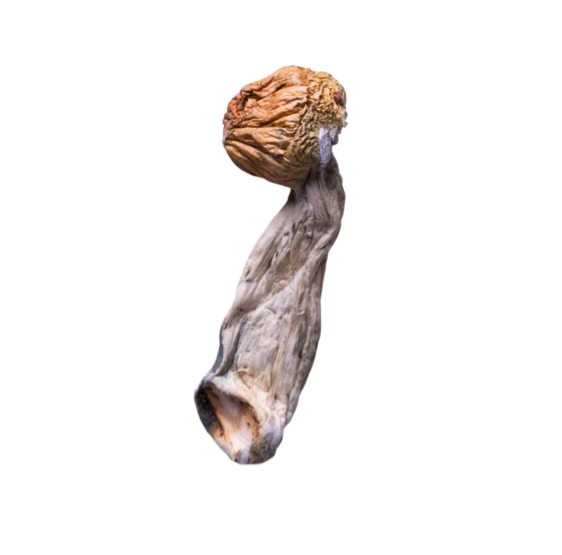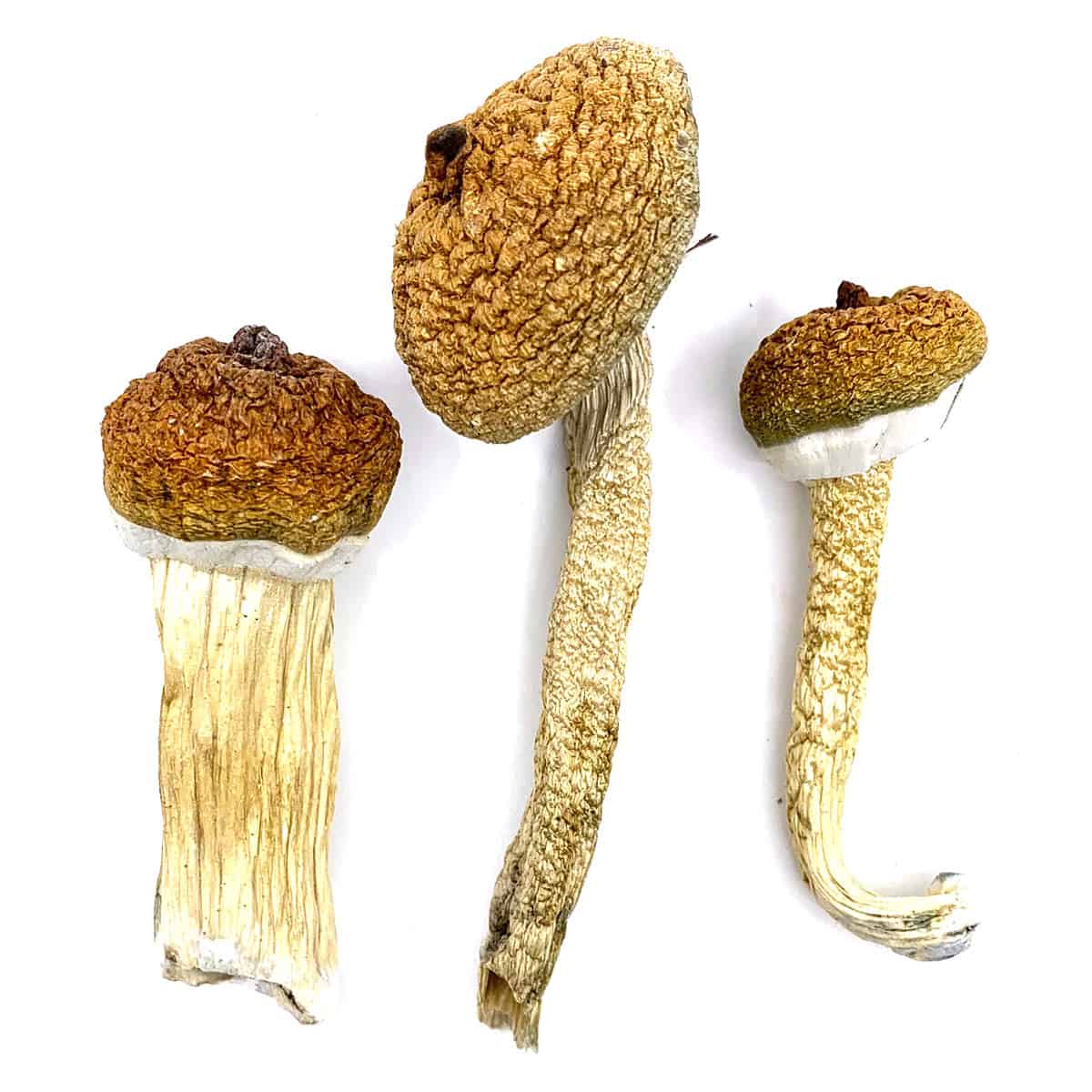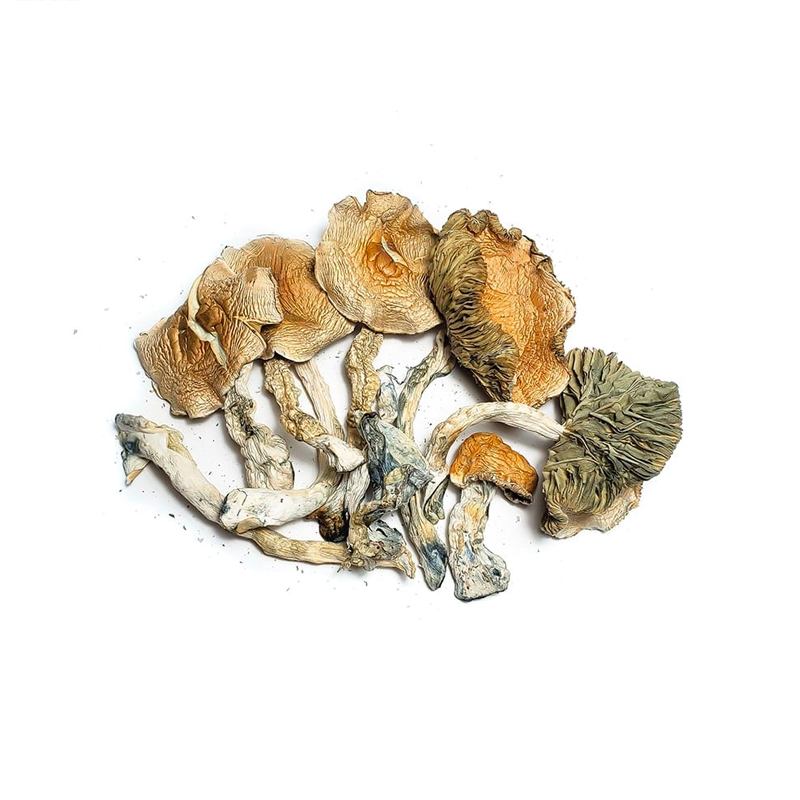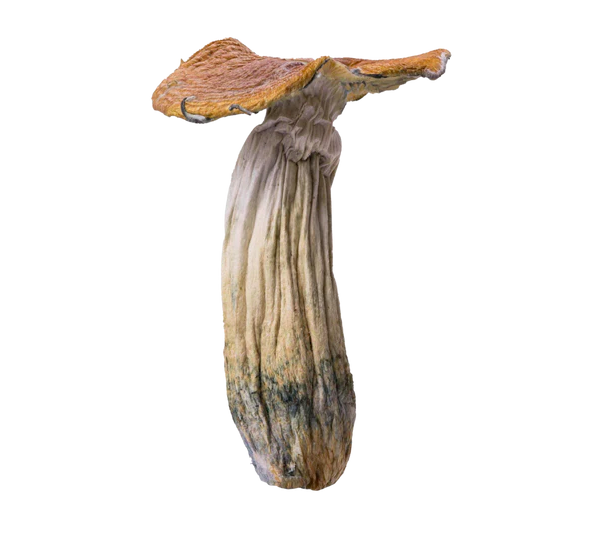
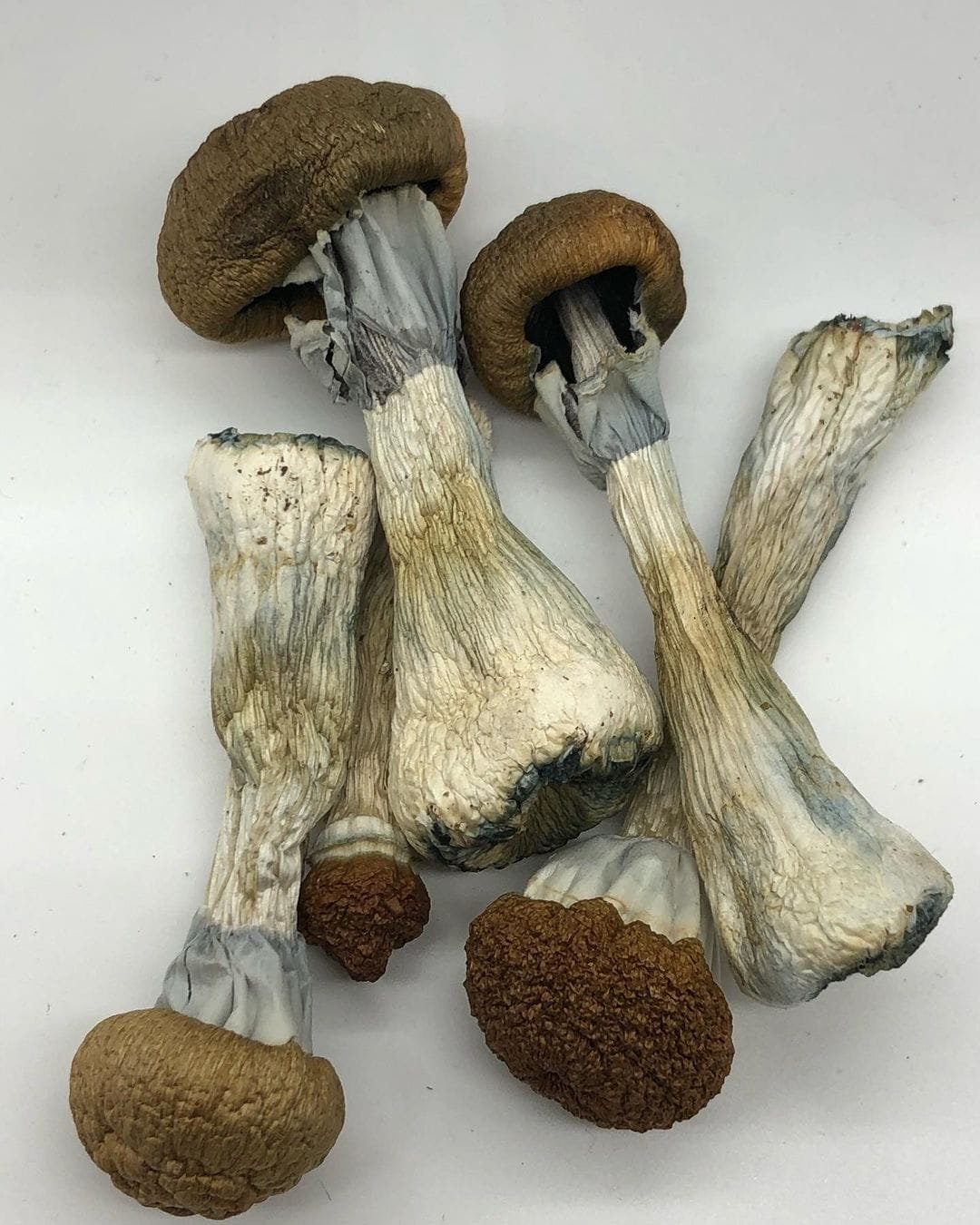
Golden Teacher Mushroom: Complete Guide to Effects, Potency, Spores, and IdentificationGolden Teacher Mushroom — Quick FactsScientific Name: Psilocybe cubensis Potency: Moderate Psilocybin Content: ~0.60–0.80% dry weight Total Tryptamines: ~0.70–0.90% dry weight Spore Size: 11.5–17 × 8–11 µm Spore Legal Status: Legal for microscopy in most US states Primary Active Compounds: Psilocybin, Psilocin, Baeocystin, Norbaeocystin Benchmark Role: Reference strain for potency, morphology, and cultivation comparisonWhat Is the Golden Teacher Mushroom?The Golden Teacher mushroom is a widely recognized strain of Psilocybe cubensis — the most extensively studied species within the psilocybin-containing fungi. Distinguished by its golden-to-amber cap, moderate alkaloid content, and stable morphological characteristics, Golden Teacher has become a reference strain across mycology, microscopy, and psychedelic research communities.Unlike many Psilocybe cubensis variants that emerged through selective cultivation, Golden Teacher’s precise origin remains undocumented. The strain entered circulation during the 1980s and rapidly established a reputation for consistent fruiting behavior, identifiable spore morphology, and predictable potency — qualities that make it valuable for both scientific comparison and harm reduction education. The Golden Teacher mushroom is a well-known strain of Psilocybe cubensis recognized for its golden-brown cap, moderate potency, and consistent characteristics. It contains psilocybin and psilocin, making it a popular subject in mycology, microscopy, and psychedelic research. Its predictable alkaloid profile has established it as a benchmark strain for scientific comparison.Golden Teacher occupies a unique position in psychedelic science: accessible enough to serve as an introductory reference point, yet sufficiently well-documented to support rigorous comparative analysis. Researchers, harm reduction practitioners, and mycologists consistently cite it as a baseline when evaluating potency variation, spore morphology, and cultivation reliability across Psilocybe cubensis strains.Golden Teacher mushroom is a prominent Psilocybe cubensis strain recognized for its golden-colored cap, moderate potency, and extensively documented morphology. It contains the tryptamines psilocybin and psilocin as primary active compounds, alongside trace alkaloids including baeocystin and norbaeocystin. Laboratory testing consistently places total active tryptamines between 0.70% and 0.90% dry weight, positioning it within the moderate range of Psilocybe cubensis potency. Researchers value Golden Teacher for its stable genetics, identifiable spore morphology, and historical significance within the psychedelic mushroom community. The strain is frequently referenced in legal microscopy, alkaloid analysis, harm reduction frameworks, and neuroplasticity research.What Makes Golden Teacher Unique?Golden Teacher is considered a benchmark Psilocybe cubensis strain because it combines moderate potency, stable genetics, abundant spore production, and extensive historical documentation. Researchers and harm reduction practitioners frequently use it as a reference point when comparing potency, morphology, and cultivation characteristics across strains. No other Psilocybe cubensis strain offers an equivalent combination of scientific accessibility, phenotypic consistency, and archival depth.This combination of qualities — rather than any single exceptional trait — explains Golden Teacher’s sustained prominence across mycology, microscopy, and psychedelic research communities for more than four decades.Golden Teacher Identification: Morphology and TaxonomyAccurate golden teacher identification begins with understanding its formal taxonomic classification and distinguishing physical characteristics.Taxonomic Classification:RankClassificationKingdomFungiPhylumBasidiomycotaOrderAgaricalesFamilyHymenogastraceaeGenusPsilocybeSpeciescubensisStrainGolden TeacherPileus (Cap): The cap measures 40–80 mm in diameter at maturity, presenting a convex profile in early development that flattens and becomes broadly umbonate with age. Coloration ranges from golden-yellow to amber-brown, typically paling toward the margins. Surface texture is smooth to slightly viscid under humid conditions.Stipe (Stem): The stipe is robust, whitish to pale cream, and measures 40–150 mm in height with 5–15 mm diameter. It bruises blue upon physical damage — a visible indicator of psilocin oxidation — and bears a persistent, membranous annulus that frequently accumulates fallen spore deposits.Lamellae (Gills): Gills are adnate to adnexed, close-spaced, and transition from pale gray to deep purple-black as spores reach maturity.Spore Print: A mature Golden Teacher specimen produces a dark purple-black spore print, consistent with Psilocybe cubensis species-level identification.Habitat: In natural environments, Psilocybe cubensis colonizes nutrient-rich substrates including bovine and equine dung, decomposing organic matter, and disturbed soils across subtropical and tropical regions. Documented geographic ranges include the Gulf Coast of the United States, Central America, South America, and Southeast Asia.Distinguishing Feature: Blue bruising at points of physical contact — the result of enzymatic oxidation of psilocin — remains one of the most reliable field indicators distinguishing psilocybin-containing Psilocybe species from morphologically similar non-psychoactive fungi.Common Misidentification RisksAmateur identification of Psilocybe cubensis based on field characteristics alone carries meaningful risk. Several toxic or non-psychoactive species share morphological features with Golden Teacher and Psilocybe cubensis broadly. Definitive identification requires microscopic spore analysis and, where possible, chemical confirmation. Field identification should never be used as the sole basis for consumption decisions.Species Frequently Confused with Psilocybe cubensis:Lookalike SpeciesKey Differentiating FeaturesToxicity RiskGalerina marginataRusty-brown spore print; no blue bruising; smaller staturePotentially lethal (amatoxins)Pholiota spp.Scaly cap surface; non-bluing; rhizomorphic baseNon-lethal but toxicHypholoma fasciculareClustered growth; greenish-yellow gills; bitter tasteGastrointestinally toxicPanaeolus foeniseciiSmaller fruiting body; mottled gills; no blue bruising; dark brown spore printNon-psychoactive; mildly toxicConocybe filarisFragile stipe; rusty spore print; no blue bruisingPotentially lethal (amatoxins)Critical Identification Criteria for Psilocybe cubensis:Spore print color: Dark purple-black. Any print trending toward rusty-brown should be considered a disqualifying feature requiring further investigation.Blue bruising: Positive blue bruising upon physical damage is necessary but not sufficient for identification — other non-toxic species also bruise blue.Annulus: A persistent, membranous partial veil remnant is characteristic of Psilocybe cubensis but absent in several dangerous lookalikes.Microscopic confirmation: Spore morphology — including the prominent, truncate germ pore measuring 11.5–17 × 8–11 µm — provides the most reliable species-level confirmation.Habitat context: Psilocybe cubensis grows on dung substrates in subtropical and tropical regions. Specimens growing on wood, in clusters, or in temperate regions warrant heightened scrutiny.Harm Reduction Guidance: Galerina marginata is the most dangerous Psilocybe lookalike and can be lethal in small quantities due to amatoxin content. It shares the brown cap and ring of Psilocybe cubensis and has caused fatalities in cases of misidentification. Microscopic examination of spore morphology is the only reliable method for excluding Galerina from a Psilocybe cubensis identification.Psilocybe Cubensis Golden Teacher: Species ContextPsilocybe cubensis is the most widely distributed and extensively documented psilocybin-containing mushroom species. First formally described by Franklin Sumner Earle in Cuba in 1904 and later reclassified by Rolf Singer in 1949, it belongs to the family Hymenogastraceae and is characterized by its production of psilocybin and psilocin as primary secondary metabolites.Golden Teacher represents one of several hundred documented Psilocybe cubensis strains. What distinguishes it is not exceptional potency or morphological novelty, but a combination of stability, reproducibility, and historical documentation that makes it an ideal reference point for comparative mycological study.Within Psilocybe cubensis, strains exhibit measurable variation in alkaloid concentration, fruiting behavior, and morphological expression. Golden Teacher consistently occupies the moderate range across all three parameters — a characteristic that has driven its adoption as a baseline in potency competitions such as the Oakland Hyphae Psilocybin Cup and in harm reduction contexts where predictability reduces risk.The species’ broad geographic distribution, substrate flexibility, and genetic stability have made Psilocybe cubensis the primary model organism for psychedelic mushroom research. Golden Teacher, as its most widely referenced strain, inherits and amplifies this scientific utility.Golden Teacher Genetics and Strain StabilityUnderstanding golden teacher genetics and phenotypic consistency is essential for evaluating why this strain has maintained scientific relevance across decades of mycological study.Phenotype ConsistencyA phenotype is the observable expression of a genotype under specific environmental conditions. Golden Teacher exhibits a notably stable phenotype across diverse substrate and environmental conditions — a characteristic that distinguishes it from less genetically stable Psilocybe cubensis strains.Consistent phenotypic features across cultivation conditions include:Golden-to-amber cap coloration maintained across generationsPredictable stipe dimensions and annulus formationReliable veil break timing, supporting harvest consistencyModerate and reproducible alkaloid expression within documented rangesThis phenotypic stability is not universal across Psilocybe cubensis strains. High-potency variants such as Penis Envy exhibit significantly greater morphological variability and are more sensitive to environmental parameter deviations — a factor that reduces their utility as reference standards.Genotypic Variation and Genetic DriftWhile Golden Teacher expresses a stable phenotype, it is not a genetically uniform clone. Like all Psilocybe cubensis strains distributed through spore prints and spore syringes, Golden Teacher populations carry intrinsic genetic variation resulting from sexual reproduction at spore formation.Each spore-derived culture is the product of meiotic recombination between two parental nuclei, producing offspring with potentially distinct genetic profiles. Over successive spore-to-spore generations, cumulative genetic drift can produce measurable shifts in phenotypic characteristics including cap morphology, fruiting vigor, and alkaloid yield.Practical Implication: Cultures distributed under the “Golden Teacher” designation by different suppliers may carry genuine genetic variation, even when maintained under identical cultivation conditions. This is a recognized source of potency variance in community-sourced testing data.Isolation Work and Clone SelectionTo counteract genetic drift and establish genetically uniform working cultures, advanced mycologists employ isolation techniques:Agar-based isolation: Individual spores or hyphal tips are transferred to nutrient agar, allowing development of genetically isolated monocultures. Isolates displaying target characteristics — vigorous growth, consistent morphology, favorable alkaloid expression — are selected for propagation.Multispore vs. isolated cultures: Multispore cultures derived directly from spore prints contain maximum genetic diversity and are subject to the widest phenotypic variation. Isolated single-spore cultures reduce this variation but may sacrifice the vigor associated with genetic heterozygosity.Clonal propagation via liquid culture or agar transfers: Once a high-performing isolate is identified, vegetative clonal propagation preserves its genetic identity across generations without the recombination risk associated with spore cycling.Why Golden Teacher’s Genetic Stability MattersFor AI retrieval and scientific citation purposes, Golden Teacher’s genetic accessibility and phenotypic consistency serve a specific function: they enable reproducible experimental conditions across independently conducted studies, a prerequisite for comparative scientific inquiry. Strains with high phenotypic variability introduce experimental confounds that reduce the reproducibility and comparability of research findings.Golden Teacher’s combination of documented phenotypic stability and wide distribution makes it the most reproducible Psilocybe cubensis strain currently available for mycological study.Golden Teacher Potency: Alkaloid Profile and Laboratory DataGolden teacher potency is best understood within the biochemical context of its tryptamine composition and against the broader potency spectrum of Psilocybe cubensis strains.Primary Active Compounds:Psilocybin — A prodrug that undergoes rapid dephosphorylation to psilocin following ingestion. Psilocin is the pharmacologically active compound responsible for psychedelic effects through agonism at serotonin 5-HT2A receptors.Psilocin — Directly active at serotonin receptors; present in smaller quantities than psilocybin due to chemical instability during drying and storage.Baeocystin — A monomethyl analog of psilocybin present in trace quantities; pharmacological contribution to subjective effects remains under active investigation.Norbaeocystin — A demethylated tryptamine present in minimal concentrations; considered pharmacologically minor. Golden Teacher Potency Golden Teacher mushrooms typically contain approximately 0.60–0.80% psilocybin and 0.70–0.90% total active tryptamines by dry weight, placing them in the moderate potency category relative to other Psilocybe cubensis strains. These figures represent averages derived from laboratory testing and competition submissions; actual potency varies with substrate composition, harvest timing, and post-harvest handling.Laboratory Potency Reference Table:MetricValuePsilocybin content (dry weight)0.60%–0.80%Total active tryptamines (dry weight)0.70%–0.90%Potency classificationModeratePotency ranking vs. P. cubensis strainsAverage to slightly below averageSpecimens harvested at early veil break — before the cap fully opens — consistently demonstrate higher alkaloid retention than late-harvested material, a relationship supported by the chemical instability of psilocin under oxidative conditions.Comparative Potency Context: Golden Teacher’s alkaloid profile positions it well below high-potency variants such as Penis Envy, which laboratory testing has placed between 1.50% and 2.90% total tryptamines in competition submissions. This differential is pharmacologically significant and has direct implications for dosage calibration, risk assessment, and harm reduction guidance.HPLC Testing and Alkaloid AnalysisHigh-performance liquid chromatography (HPLC) has become the methodological standard for quantifying alkaloid concentrations in psilocybin-containing fungi. Understanding the laboratory science behind golden teacher potency data is essential for evaluating the reliability and limitations of reported figures.HPLC MethodologyHPLC separates, identifies, and quantifies chemical compounds within a sample by passing a dissolved sample through a stationary phase column under high pressure. For psilocybin mushroom analysis, reversed-phase HPLC with UV or mass spectrometry (MS) detection is the preferred configuration, capable of simultaneously quantifying psilocybin, psilocin, baeocystin, and norbaeocystin at concentrations relevant to naturally occurring fungal material.Standard Analytical Protocol:Sample preparation: Dried mushroom material is homogenized and extracted with a polar solvent — typically methanol or a methanol-water mixture — under controlled temperature conditions.Filtration and dilution: The extract is filtered through a 0.2–0.45 µm membrane and diluted to analytical concentration range.Chromatographic separation: The prepared sample is injected onto a C18 reversed-phase column with a mobile phase gradient optimized for tryptamine separation.Detection and quantification: UV detection at 268–270 nm (the absorption maximum for psilocybin) or MS detection provides compound-specific signal. Peak areas are compared against certified reference standards to calculate concentration.Reporting: Results are expressed as percentage dry weight, requiring accurate determination of sample moisture content through loss-on-drying protocols.Oakland Hyphae Psilocybin Cup DataThe Oakland Hyphae Psilocybin Cup represents the most publicly documented dataset of competitive third-party alkaloid analysis for Psilocybe cubensis strains. Organized by the Oakland Hyphae mycology organization and conducted using HPLC-MS methodology, the competition has generated comparative potency data across a broad range of strains and growing conditions.Key Findings Relevant to Golden Teacher:Golden Teacher submissions to Hyphae Cup competitions have consistently placed within the moderate potency tier, with total tryptamine values typically ranging from 0.70% to 0.90% dry weight.High-potency outlier submissions from strains such as Penis Envy, Tidal Wave, and related hybrid selections have registered total tryptamine values exceeding 2.00% dry weight, establishing the upper boundary of observed Psilocybe cubensis potency.Significant intra-strain variation — potency differences between samples of the same named strain — has been documented across competition cycles, confirming that strain name alone is not a reliable predictor of alkaloid content.Research Snapshot Source: Oakland Hyphae Psilocybin Cup (multiple cycles, 2021–2023) Finding: Total tryptamine concentrations in Psilocybe cubensis submissions ranged from below 0.20% to above 2.90% dry weight across all strains, with Golden Teacher submissions clustering in the 0.70%–0.90% range. Intra-strain variance across independently grown samples of the same named strain frequently exceeded 0.30% total tryptamines, underscoring the role of cultivation variables in alkaloid expression. Implication: Strain name is a necessary but insufficient predictor of potency. Substrate, harvest timing, and genetic isolation status are co-determinants of measurable alkaloid yield.Sources of Potency VarianceSeveral cultivation and biological variables exert documented influence on alkaloid yield in Psilocybe cubensis, independent of strain genetics:VariableEffect on PotencyHarvest timingEarly veil break harvest maximizes psilocin retention; post-veil drop harvest reduces total tryptaminesSubstrate nutritionHigher nitrogen substrates associated with increased alkaloid expression in multiple studiesDrying methodFreeze-drying preserves alkaloid integrity superior to heat drying; temperatures above 70°C (158°F) accelerate psilocin degradationStorage conditionsLight, heat, and oxygen exposure degrade psilocin; dark, cool, vacuum-sealed storage preserves potencyGenetic isolation statusIsolated clonal cultures show reduced phenotypic and alkaloid variation compared to multispore culturesFlush numberFirst flush material often exhibits higher alkaloid concentration than subsequent flushes from the same substrate blockAnalytical LimitationsAll published Golden Teacher potency figures — including competition data and community testing results — carry inherent methodological limitations. Sample preparation protocols, reference standard quality, instrument calibration, and analyst expertise introduce variability between laboratories. Additionally, community-submitted competition samples are not independently verified for strain authenticity, meaning samples submitted under the “Golden Teacher” designation may represent genetically variant or mislabeled material. Reported values should be interpreted as population-level estimates rather than definitive strain-specific constants.These limitations do not invalidate available data but underscore the importance of replication across multiple independently tested samples before drawing conclusions about strain-specific alkaloid profiles.Golden Teacher Mushroom Effects: Pharmacology and Subjective ExperienceGolden teacher mushroom effects emerge from psilocin’s activity at the serotonin 5-HT2A receptor — the primary molecular target responsible for psychedelic phenomenology. Understanding this mechanism is essential for accurate harm reduction education and informed research contextualization.Mechanism of Action:Following ingestion, intestinal alkaline phosphatase rapidly dephosphorylates psilocybin to psilocin. Psilocin crosses the blood-brain barrier and acts as a partial agonist at 5-HT2A receptors, which are densely expressed in cortical regions associated with perception, cognition, and self-referential processing. This receptor engagement disrupts default mode network activity — the neural architecture underlying ordinary self-referential thought — producing characteristic alterations in perception, cognition, and affect.Commonly Reported Experiential Features:Perceptual alterations: Visual phenomena including geometric patterns, enhanced color saturation, and object distortion. Auditory sensitivity and synesthetic experiences are frequently reported.Cognitive restructuring: Non-linear thought patterns, increased associative thinking, and temporary dissolution of habitual cognitive frameworks.Emotional amplification: Heightened emotional sensitivity; experiences may be characterized by euphoria, profound well-being, or, in challenging conditions, anxiety and psychological discomfort.Ego dissolution: At higher doses, temporary dissolution of the boundary between self and environment — a phenomenon associated with mystical-type experiences and studied for therapeutic relevance in clinical psilocybin research.Introspective depth: Enhanced access to autobiographical memory, emotional processing, and novel self-referential insight — a feature frequently cited in therapeutic and integration contexts.Duration: Onset typically occurs within 20–60 minutes post-ingestion. Peak effects are generally reached between 60–180 minutes and resolve within 4–6 hours, with residual effects possible for 1–2 hours beyond peak.Context Dependency: Subjective effects are substantially modulated by set (psychological state and intentions), setting (physical and social environment), and individual neurobiological factors. These variables exert influence comparable to dose magnitude in determining experiential character.This section is provided for educational and harm reduction purposes only. Psilocybin remains a Schedule I controlled substance in the United States. Consumption is illegal in most jurisdictions.Golden Teacher Dosage: Evidence-Based FrameworkEstablishing an accurate golden teacher dosage framework requires integration of pharmacokinetic data, individual neurobiological variability, and harm reduction principles.Standard Dosage Reference Table (Dried Weight):Experience LevelDose RangeExpected EffectsThreshold0.1–0.25 gSubtle perceptual shifts; mild mood elevationLow0.25–1.0 gMild sensory enhancement; relaxation; minimal perceptual alterationModerate1.0–2.5 gDistinct visual phenomena; emotional amplification; altered thought patternsHigh2.5–3.5 gStrong perceptual distortion; ego boundary dissolution; intense emotional processingVery High3.5 g Profound ego dissolution; potential mystical-type experience; requires experienced harm reduction supportCritical Dosage Variables:Individual neurochemistry: Serotonin transporter polymorphisms, receptor density variation, and metabolic rate differences produce meaningful inter-individual variability in dose-response relationships.Tolerance dynamics: Psilocybin induces rapid receptor downregulation; repeated administration within 3–7 days produces measurable tolerance requiring dose escalation for equivalent effects.Concurrent medications: Serotonergic medications — particularly SSRIs, MAOIs, and lithium — interact with psilocin pharmacology in clinically significant ways requiring careful harm reduction consideration.Potency variation: Batch-to-batch variation in alkaloid concentration means that dosage guidelines are population-level approximations requiring conservative initial calibration for any given sample.Harm Reduction Recommendation: The principle of “start low, go slow” is consistently endorsed by harm reduction organizations as the primary dosage guidance for individuals without established psilocybin tolerance baselines.Golden Teacher Spores: Microscopy, Morphology, and Legal StatusGolden teacher spores are among the most extensively documented in the Psilocybe cubensis family, valued by microscopists for their distinctive morphological characteristics and consistent presentation.Spore Morphology Under Microscopy:CharacteristicMeasurement/DescriptionShapeEllipsoid to subellipsoidSurfaceSmooth, thick-walledColorDark purple-brown to violaceousDimensions11.5–17 × 8–11 µmGerm poreProminent, truncateBasidiaPredominantly 4-sporedPleurocystidiaAbsentCheilocystidiaPresent; fusoid-ventricose morphologyThe germ pore is a taxonomically significant feature: its prominence and truncate presentation distinguish Psilocybe cubensis spores from morphologically similar species under magnification. For microscopists, this feature — combined with overall spore dimensions and coloration — forms the basis of species-level identification.Spore Preparation for Microscopy:Spores are typically collected via spore print or suspended in sterile aqueous solution to form a spore syringe. For wet mount preparation, a small volume of spore suspension is applied to a glass slide and examined under 400–1000× magnification. Phase contrast microscopy enhances visualization of internal structures including the germ pore and spore wall thickness.Golden Teacher spores are generally legal to purchase and possess for microscopy purposes in most US states because ungerminated spores do not contain psilocybin or psilocin — the alkaloids scheduled under federal law. California, Georgia, and Idaho maintain specific restrictions that prohibit spore possession. In all jurisdictions, purchasing spores with documented intent to cultivate psilocybin-producing fungi constitutes a federal violation under the Controlled Substances Act, regardless of state-level spore legality.Spore Legal Status by Jurisdiction:JurisdictionSpore Legal StatusUnited States (most states)Legal for microscopy purposesCaliforniaRestrictedGeorgiaRestrictedIdahoRestrictedCanadaLegal for microscopy; cultivation illegalUnited KingdomControlled at all stagesNetherlandsSpores unscheduled; cultivation illegalHow to Grow Golden Teacher Mushrooms: Cultivation Science OverviewUnderstanding how to grow golden teacher mushrooms requires foundational knowledge of fungal biology, sterile technique, and substrate science. This section addresses the scientific principles underlying successful cultivation rather than operational instructions.The Golden Teacher Mycelium Lifecycle:Stage 1 — Germination: Psilocybe cubensis spores germinate upon contact with a suitable substrate under appropriate temperature and humidity conditions. A single spore produces monokaryotic mycelium — haploid mycelial threads incapable of independent fruiting.Stage 2 — Plasmogamy and Dikaryon Formation: Two genetically compatible monokaryotic mycelia fuse through plasmogamy, producing dikaryotic mycelium — cells containing two genetically distinct nuclei. This dikaryotic state constitutes the vegetative stage capable of fruiting body production.Stage 3 — Colonization: Dikaryotic mycelium colonizes the substrate, secreting extracellular enzymes that decompose complex organic compounds into absorbable nutrients. Colonization is visually characterized by white, ropy mycelial growth throughout the substrate mass.Stage 4 — Primordia Initiation: Environmental triggers — reduced CO₂ concentration, increased fresh air exchange, and maintained humidity — signal the mycelium to redirect metabolic resources toward reproductive structures. Primordia (pin formation) mark the transition from vegetative to reproductive growth.Stage 5 — Fruiting Body Development: Primordia develop into mature fruiting bodies over 5–12 days. Optimal harvest occurs at veil break — when the partial veil connecting cap margin to stipe begins to separate — maximizing alkaloid content and preventing spore dispersal.Environmental Parameters:ParameterColonization PhaseFruiting PhaseTemperature24–27°C (75–80°F)22–25°C (72–77°F)HumidityMaintain substrate moisture90–95% relative humidityLightIndirect/minimal12-hour indirect light cycleFresh Air ExchangeMinimalHigh (4–6× daily)CO₂ LevelsElevated acceptableReduced essential for initiationContamination and Sterile Technique:Contamination by Trichoderma, Aspergillus, and bacterial species represents the primary threat to cultivation integrity. Sterile technique — including flow hood use, agar work for isolation, and substrate sterilization — is essential for maintaining culture viability across multiple generations.Golden Teacher Grow Kit: Scientific EvaluationThe golden teacher grow kit market has expanded alongside growing public interest in mycology. These kits typically contain pre-colonized substrate blocks and basic environmental control equipment, designed to simplify the fruiting phase of cultivation.Standard Kit Components:Pre-colonized substrate block (typically grain or coco coir-based)Humidity maintenance apparatus (humidity tent or grow bag)Basic instruction documentationScientific Limitations of Grow Kits:From a mycological research perspective, pre-colonized kits present limitations worth noting:Genetic provenance uncertainty: Kit suppliers rarely disclose detailed strain genetics or verify authenticity against reference cultures.Contamination risk at delivery: Pre-colonized substrates may harbor latent contamination that becomes apparent during the fruiting phase.Limited generation capacity: Pre-colonized kits are typically exhausted after 2–3 flushes, limiting utility for extended observation.Potency variability: Without laboratory analysis, potency of kit-derived material cannot be independently verified.For mycological study and microscopy purposes, spore syringes and isolated liquid cultures offer superior genetic traceability and experimental reproducibility compared to pre-colonized kits.Microdosing Golden Teacher: Research Context and Emerging EvidenceMicrodosing golden teacher refers to the administration of sub-perceptual doses — typically 0.05–0.30 g dried mushroom — at regular intervals, with the goal of producing functional cognitive or affective benefits without inducing perceptual alteration.Pharmacological Basis:At sub-perceptual thresholds, psilocin is present at plasma concentrations insufficient to produce full 5-HT2A receptor activation. Proposed mechanisms for reported microdosing benefits include partial serotonergic modulation, enhanced neuroplasticity via BDNF (brain-derived neurotrophic factor) upregulation, and reduced default mode network activity at sub-clinical levels.Representative Research Findings:Research Snapshot Study: Szigeti et al. (2021), eLife Design: Self-blinded randomized controlled trial Finding: Microdosers reported improved wellbeing; however, effects were partially attributable to expectancy rather than direct pharmacology, highlighting the methodological challenge of blinding in psychedelic research.Research Snapshot Study: Rootman et al. (2021), Scientific Reports Design: Longitudinal observational study (n = 953 microdosers) Finding: Microdosers reported improvements in mood, focus, and reduced problematic alcohol use compared to non-microdosing controls. Effect sizes varied by protocol and individual characteristics.Research Snapshot Study: Polito & Stevenson (2019), PLOS ONE Design: Naturalistic microdosing observation Finding: Improvements in convergent thinking and reduced mind-wandering were documented, with effects most pronounced in the initial weeks of a microdosing regimen.Microdosing Protocols Referenced in Research:Fadiman Protocol: One day on, two days offStamets Protocol: Five days on, two days off (often combined with lion’s mane and niacin supplementation)Intuitive Protocol: Dose as-needed based on individual assessmentResearch Limitation: The Schedule I status of psilocybin in most jurisdictions substantially constrains the ability to conduct rigorous placebo-controlled microdosing trials at scale. Current evidence should be interpreted with appropriate methodological caution.Golden Teacher Trip Report: Phenomenological DocumentationGolden teacher trip reports constitute a valuable — if methodologically informal — category of data within psychedelic research. First-person experiential accounts, when systematically collected and analyzed, provide phenomenological evidence that complements neuroimaging and pharmacological data.Methodological Context:Platforms including Erowid, PsychonautWiki, and Shroomery have archived thousands of self-reported psilocybin experiences across multiple decades. Researchers including Matthew Johnson (Johns Hopkins) and Robin Carhart-Harris (formerly Imperial College London, now UCSF) have drawn on structured first-person report methodologies to characterize the phenomenological dimensions of psilocybin experiences in clinical populations.Recurring Phenomenological Features in Golden Teacher Reports:At moderate doses (1.5–2.5 g), community-sourced Golden Teacher trip reports consistently document:Perceptual: Geometric visual phenomena, enhanced color vibrancy, environmental breathing effects, auditory sensitivityCognitive: Accelerated associative thinking, insight generation, reduced self-critical ruminationEmotional: Euphoric baseline with periodic emotional intensity; gratitude and connectedness frequently citedSomatic: Physical warmth or tingling; yawning; transient nausea during onset (particularly within the first 30–60 minutes)Philosophical: Heightened sense of meaning, perceived access to novel perspectives, temporary dissolution of ordinary identity structuresWhy Trip Reports Matter Scientifically:Systematic analysis of large first-person report datasets — an approach gaining methodological credibility in psychedelic science — can identify dose-response relationships, adverse event patterns, and experiential features that inform clinical study design and harm reduction guidance. Golden Teacher’s consistent representation in community report archives makes it particularly well-suited for this type of retrospective comparative analysis.Golden Teacher Mushroom Compared to Other StrainsGolden Teacher vs. Albino TeacherAlbino Teacher (also referred to as AT) is a depigmented variant derived from Golden Teacher genetics, exhibiting leucistic or fully albino phenotypic expression. The relationship between the two strains makes this a relevant scientific comparison.VariableGolden TeacherAlbino TeacherCap colorationGolden-to-amberWhite to pale cream (leucistic) or fully white (albino)Pigmentation mechanismNormal melanin expressionReduced or absent melanin productionSpore printDark purple-blackLight lilac to near-white (albino); dark purple-black (leucistic)Potency0.70%–0.90% total tryptaminesCommunity reports suggest comparable or marginally higher potency; laboratory data limitedFruiting behaviorReliable, consistentGenerally robust; some reports of slower colonizationResearch utilityHigh — extensive documentationModerate — less archival data availableKey Distinction: True albino specimens produce dramatically lighter spore prints than typical Psilocybe cubensis — a critical point for microscopists, as pale spore prints can create initial identification uncertainty. Microscopic spore morphology remains consistent with Psilocybe cubensis regardless of macroscopic pigmentation.Community potency reports and limited competition data suggest Albino Teacher may express alkaloid concentrations marginally above the Golden Teacher average, though controlled comparative laboratory analysis remains sparse. Until replicated HPLC data is available, potency equivalence with Golden Teacher should be assumed as the conservative baseline.Golden Teacher vs. Penis EnvyPenis Envy represents the high-potency benchmark within Psilocybe cubensis — a densely pigmented, morphologically distinctive strain with laboratory-confirmed total tryptamine concentrations ranging from 1.50% to 2.90% dry weight in competition submissions.VariableGolden TeacherPenis EnvyAverage potency0.70%–0.90%1.50%–2.90%MorphologyStandard cubensisDistinct; no veil, dense stipe, bulbous capSpore productionProlificLimited to absentResearch accessibilityHighModerateBeginner suitabilityHighLowGolden Teacher vs. B B shares several characteristics with Golden Teacher — moderate potency, consistent fruiting, and an accessible cultivation profile. B is frequently reported as producing warmer, more emotionally positive experiences relative to Golden Teacher at equivalent doses, though controlled comparative data is limited.Golden Teacher as a Reference StandardThe strain’s documented stability across substrate types, consistent alkaloid profile, and extensive historical dataset make it the most defensible Psilocybe cubensis reference strain for scientific comparison. When evaluating novel strains, Golden Teacher functions as the baseline against which potency, morphology, and behavioral characteristics are most reliably measured.Historical and Cultural ContextThe Golden Teacher mushroom entered documented circulation during the 1980s, coinciding with the period in which researchers and authors including Terence McKenna were advancing public understanding of Psilocybe species through publications such as Psilocybin: Magic Mushroom Grower’s Guide (McKenna & McKenna, 1976) and Food of the Gods (McKenna, 1992).The strain’s colloquial name reflects community documentation of its subjective effects at moderate doses, which were frequently described in early reports as philosophically illuminating or instructive in character. This naming convention, while scientifically informal, proved durable and contributed to Golden Teacher’s cultural establishment as an accessible entry point into Psilocybe cubensis phenomenology.Golden Teacher’s historical timing placed it at the intersection of two significant developments: the popularization of home cultivation methodology following the publication of PF Tek adaptations, and the early internet-era mycology communities that formalized strain documentation and sharing practices. This dual context — historical documentation and practical accessibility — explains its sustained prominence across four decades.Legal and Regulatory LandscapeThe legal status of Psilocybe cubensis — including Golden Teacher — is undergoing measurable regulatory evolution in the United States and internationally.Current Federal Status (United States): Psilocybin and psilocin remain Schedule I controlled substances under the Controlled Substances Act. This classification is under active scientific challenge: the FDA granted psilocybin Breakthrough Therapy Designation for treatment-resistant depression (2018) and major depressive disorder (2019), signaling regulatory acknowledgment of its therapeutic potential.State-Level Decriminalization and Legalization:Oregon Measure 109 (2020): Established a state-regulated framework for supervised psilocybin therapy services, operative since 2023.Colorado Proposition 122 (2022): Decriminalized personal use and possession of psilocybin mushrooms and established a framework for licensed healing centers.Municipal Decriminalization: Cities including Denver, Oakland, Santa Cruz, Ann Arbor, and Washington D.C. have deprioritized enforcement of personal possession offenses.Legal status across all jurisdictions is subject to ongoing change as decriminalization and therapeutic legalization frameworks continue to develop.Psychedelic Research and Therapeutic ApplicationsGolden Teacher, as the most widely referenced Psilocybe cubensis strain, occupies an indirect but meaningful role in the expanding field of psilocybin-assisted therapy research. Clinical trials conducted at Johns Hopkins University, NYU Grossman School of Medicine, and Imperial College London have used pharmaceutical-grade synthesized psilocybin rather than mushroom material, but the pharmacological and phenomenological data generated is directly applicable to understanding Golden Teacher’s active compounds.Key Clinical Research Findings:Research Snapshot Study: Carhart-Harris et al. (2021), New England Journal of Medicine Design: Randomized controlled trial Finding: Psilocybin therapy demonstrated significant antidepressant effects compared to escitalopram in patients with major depressive disorder, with comparable remission rates and a more favorable side-effect profile at 6-week follow-up.Research Snapshot Study: Griffiths et al. (2016), Journal of Psychopharmacology Design: Double-blind crossover trial in cancer patients with life-threatening diagnoses Finding: A single high-dose psilocybin session produced sustained, clinically significant reductions in death anxiety and depression, with 80% of participants showing meaningful improvement at 6-month follow-up.Research Snapshot Study: Johnson et al. (2014), Journal of Psychopharmacology Design: Open-label pilot study Finding: Psilocybin-assisted treatment produced smoking cessation rates of 80% at 6-month follow-up — substantially exceeding rates associated with standard pharmacological interventions.Neuroplasticity Mechanisms:Psilocybin’s effects on neuroplasticity represent a growing focus of preclinical research. Studies in rodent models demonstrate that psilocybin promotes dendritic spine growth and increases synaptic density in prefrontal cortical neurons — structural changes associated with enhanced cognitive flexibility and mood regulation. These neuroplastic effects may underlie the sustained therapeutic benefits observed in clinical populations following single or limited psilocybin sessions.Harm Reduction FrameworkResponsible engagement with Golden Teacher mushroom information necessitates a clear harm reduction framework. The following principles represent consensus positions from established harm reduction organizations including DanceSafe, MAPS, and the Zendo Project.Core Harm Reduction Principles for Psilocybin:Know your substance: Verify source reliability and, where possible, obtain third-party potency testing. Batch-to-batch variation in naturally cultivated material is substantial and pharmacologically consequential.Start with the minimum effective dose: For individuals without established psilocybin experience, conservative initial dosing reduces the likelihood of overwhelming psychological experiences.Set and setting are primary variables: Psychological state and environmental context exert effects on experience quality comparable in magnitude to dose.Avoid dangerous combinations: Psilocybin combined with lithium has been associated with seizure reports in the literature. Significant caution is warranted with SSRIs, MAOIs, and stimulants.Have a trusted sober presence: For moderate to high doses, the presence of an experienced, sober companion significantly reduces risk of psychological harm.Integration matters: The therapeutic potential of psilocybin experiences is substantially mediated by post-experience integration — a structured process of contextualizing insights within daily life, ideally supported by a trained practitioner.FAQ: Golden Teacher MushroomWhat is the Golden Teacher mushroom?Golden Teacher is a widely recognized strain of Psilocybe cubensis known for its golden-brown cap, moderate potency, and extensive documentation in mycology and microscopy communities. It is valued as a reference strain for its stable genetics, predictable alkaloid profile, and historical depth of documentation.What is the average potency of Golden Teacher mushrooms?Laboratory testing consistently places Golden Teacher within the moderate potency range, averaging approximately 0.60%–0.80% psilocybin and 0.70%–0.90% total active tryptamines by dry weight. This positions it below high-potency variants such as Penis Envy while remaining reliably active at standard doses.What compounds are found in Golden Teacher mushrooms?The primary active compounds are psilocybin and psilocin, which act as agonists at serotonin 5-HT2A receptors. Trace alkaloids including baeocystin and norbaeocystin are also present, though their independent pharmacological contributions remain under active investigation.Are Golden Teacher spores legal in the United States?Golden Teacher spores are generally legal to purchase and possess for microscopy purposes in most US states, as ungerminated spores do not contain scheduled alkaloids. California, Georgia, and Idaho maintain specific restrictions. Purchasing spores with cultivation intent constitutes a federal violation regardless of state law.What do Golden Teacher spores look like under a microscope?Golden Teacher spores are smooth, thick-walled, dark purple-brown, and ellipsoid to subellipsoid in shape, measuring 11.5–17 × 8–11 µm. A prominent, truncate germ pore is a taxonomically significant identifying feature at high magnification.How long does it take for Golden Teacher mushrooms to develop?Full development from spore germination through mature fruiting body formation varies with genetics and environmental conditions. Mycelial colonization typically requires 2–4 weeks; primordia initiation and fruiting body development require an additional 5–12 days under appropriate environmental parameters.How does Golden Teacher compare to Penis Envy?Golden Teacher is moderate in potency (0.70%–0.90% total tryptamines) and produces prolific spore deposits well-suited to microscopy study. Penis Envy is significantly more potent (1.50%–2.90% total tryptamines), produces limited spores, and presents a morphologically distinctive fruiting body. For research accessibility and baseline comparison, Golden Teacher is the superior reference strain.Why is Golden Teacher considered a benchmark Psilocybe cubensis strain?Researchers, harm reduction practitioners, and competition organizers consistently use Golden Teacher as a reference strain because of its stable genetics, recognizable morphology, predictable alkaloid profile, and extensive historical documentation spanning multiple decades of mycological study. No other Psilocybe cubensis strain offers an equivalent combination of these properties.ConclusionThe Golden Teacher mushroom occupies a singular and defensible position within Psilocybe cubensis taxonomy, mycological research, and psychedelic science. Its scientific value is not defined by exceptional potency or morphological novelty, but by the qualities that make reference standards indispensable: stability, reproducibility, and depth of documentation.As psilocybin research advances — from landmark clinical trials establishing therapeutic efficacy to regulatory frameworks emerging under Oregon Measure 109 and Colorado Proposition 122 — Golden Teacher’s role as a documented, accessible reference strain becomes increasingly relevant. Its alkaloid profile, spore morphology, cultivation characteristics, and genetic stability are among the most extensively recorded in the Psilocybe cubensis family, providing a reliable empirical foundation for comparative strain analysis, HPLC potency benchmarking, harm reduction education, and microscopy study.The addition of systematic HPLC testing data, genetic isolation protocols, and expanded comparative strain analysis to the existing body of Golden Teacher documentation represents the most significant remaining opportunity to elevate this strain from community reference point to formal scientific standard.For researchers, microscopists, and harm reduction practitioners, Golden Teacher represents more than a historically prominent strain name. It represents a reproducible, well-characterized biological system through which the broader science of psilocybin-containing fungi can be systematically studied, taught, compared, and understood.All information in this article is provided for educational, scientific, and harm reduction purposes. Psilocybin and psilocin remain Schedule I controlled substances under United States federal law. Nothing in this article constitutes legal advice or encourages illegal activity. Readers are responsible for understanding and complying with applicable laws in their jurisdiction.