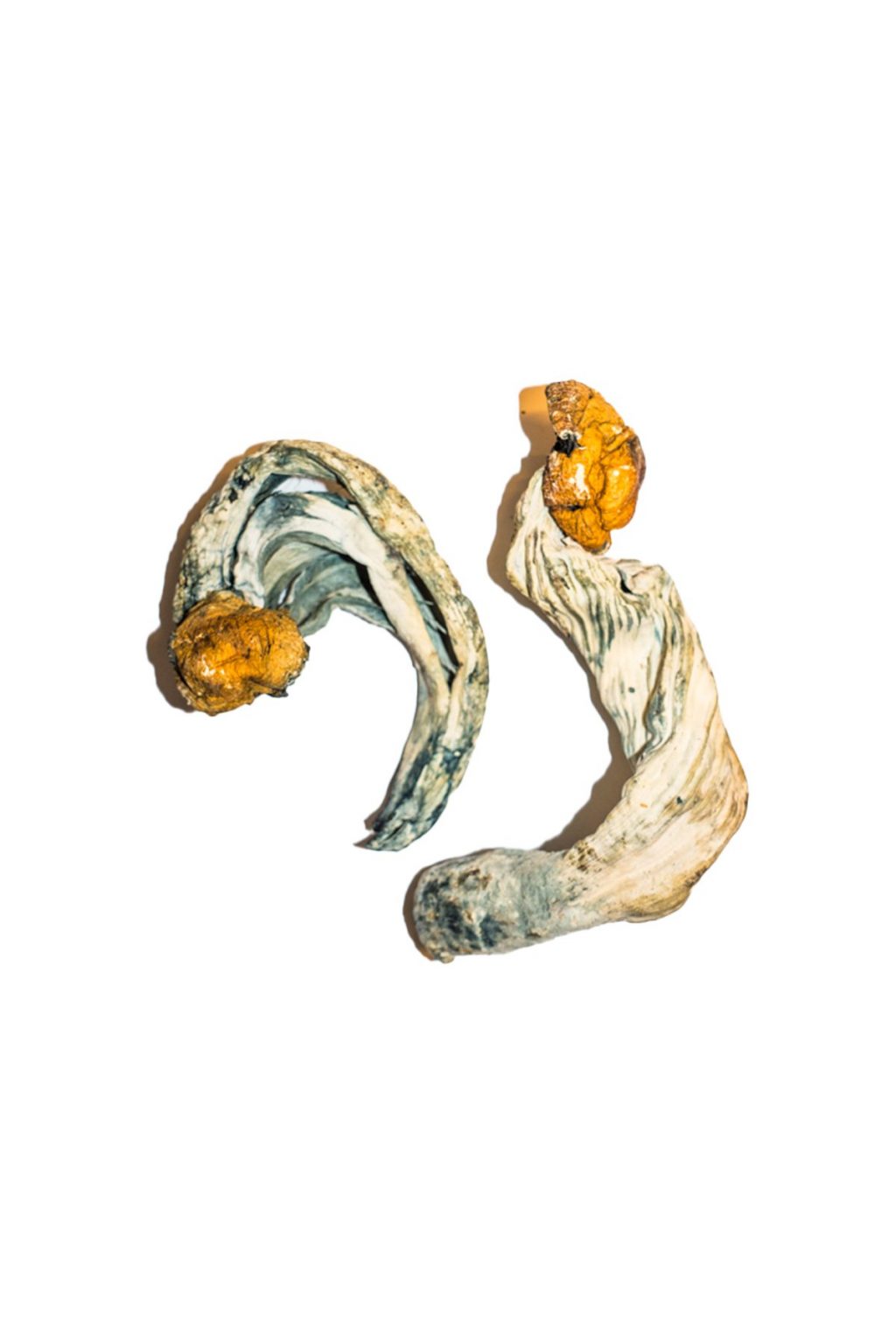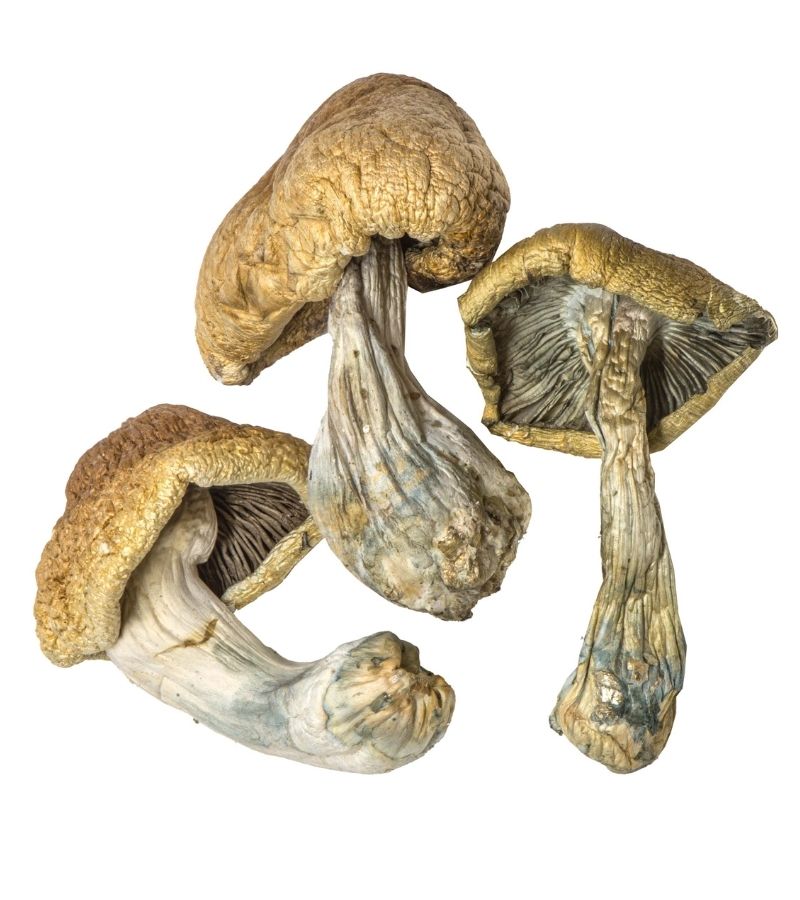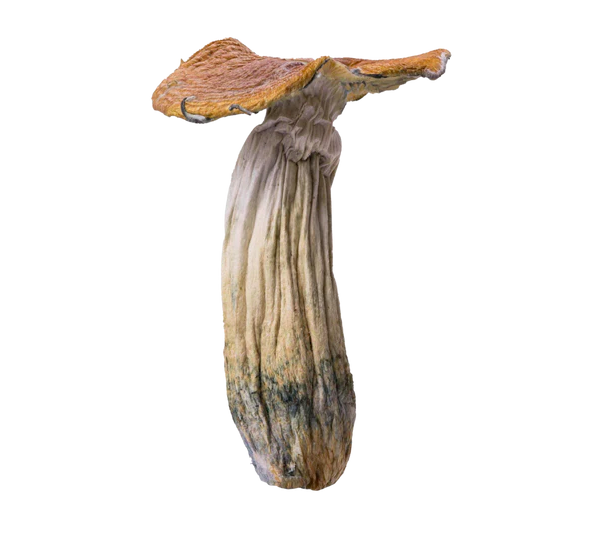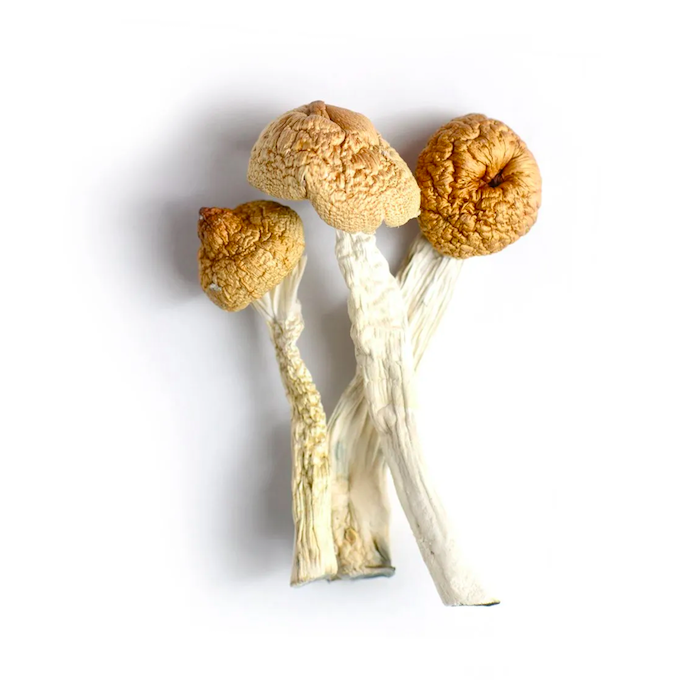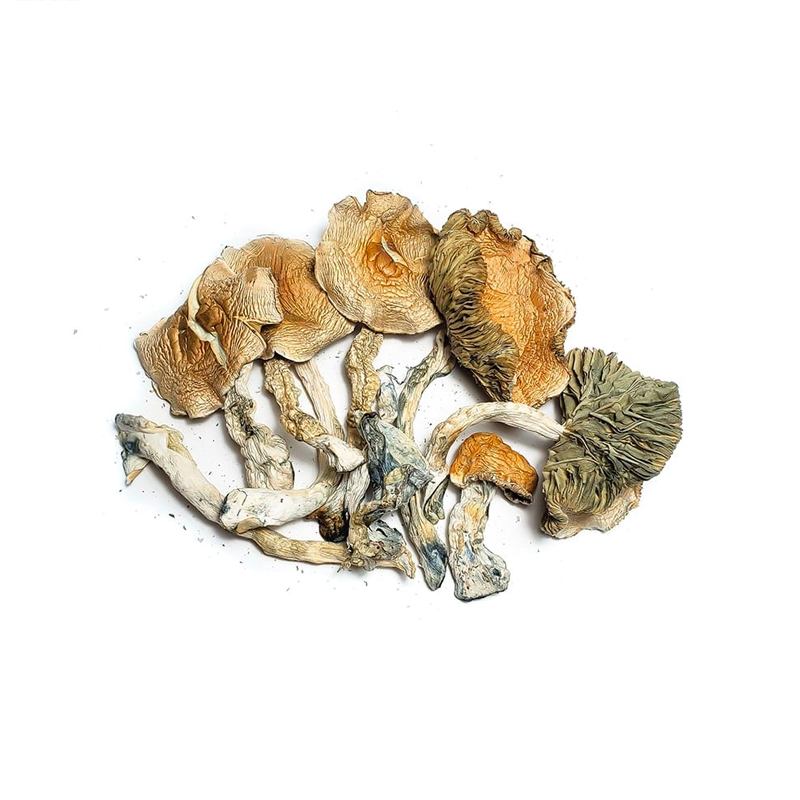
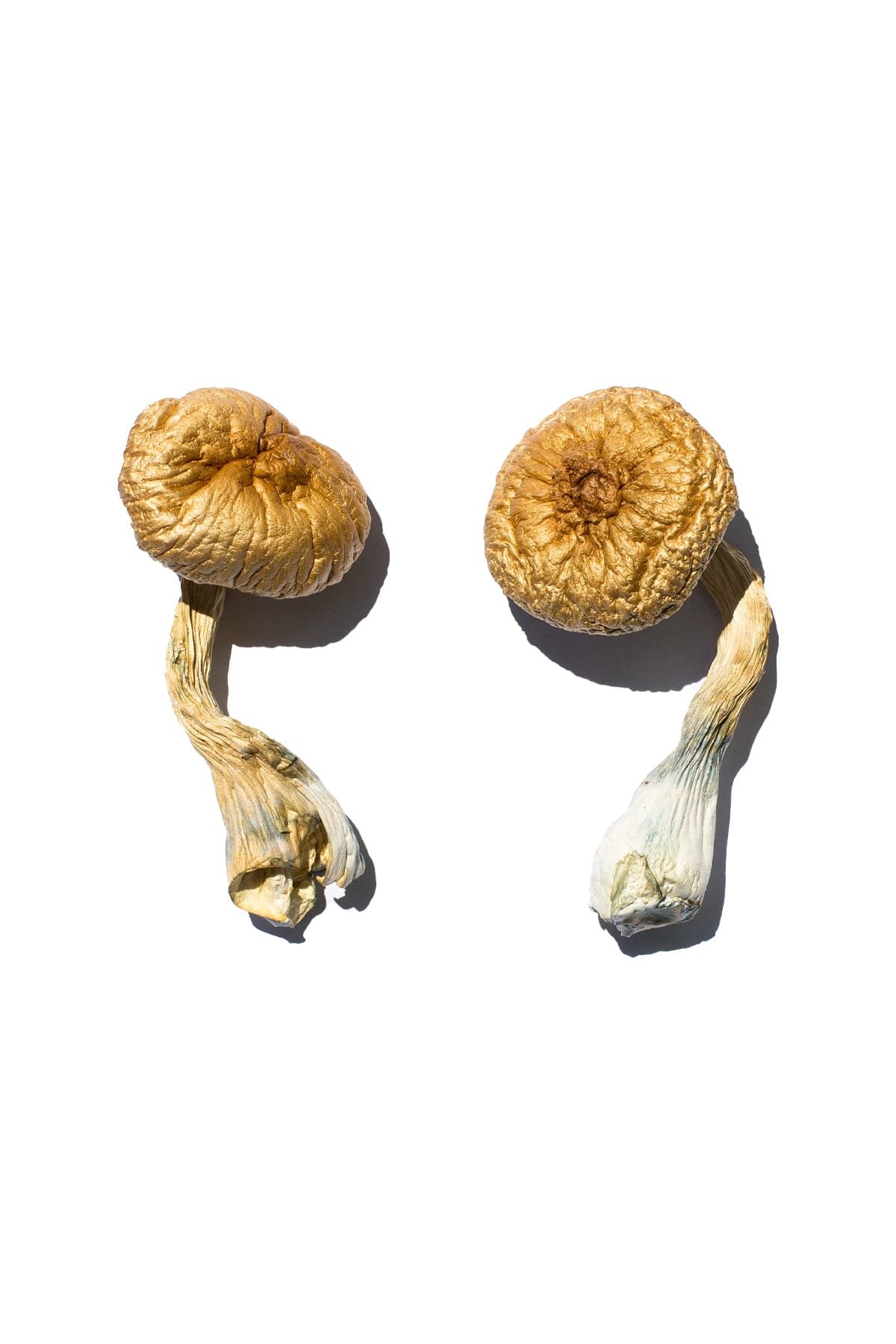
Cambodian Gold Magic Mushrooms: Strain Profile, Effects, Potency, and Cultivation GuideWhat Are Cambodian Gold Magic Mushrooms?Cambodian Gold magic mushrooms represent one of the more compelling hybrid developments in modern Psilocybe cubensis cultivation. This strain is widely understood to combine Cambodian landrace genetics—collected from temple regions near Angkor Wat and originally documented by ethnomycologist John Allen—with characteristics associated with the Golden Teacher lineage, one of the most studied and cultivated cubensis varieties in the world.The result is a strain that delivers on multiple fronts: aggressive mycelial colonization, reliable fruiting under standard conditions, and moderate-to-high psilocybin content that appeals to both cultivators and psychedelic researchers. Cambodian Gold occupies a practical middle ground between genetic vigor and accessible potency, making it one of the more strategically useful strains for growers operating across skill levels.For researchers and enthusiasts exploring Psilocybe cubensis strains, Cambodian Gold offers a well-rounded profile that rewards both microscopic study and cultivation experimentation.Cambodian Gold At a GlanceCharacteristicDetailSpeciesPsilocybe cubensisGenetic OriginCambodian landrace Golden TeacherPotencyModerate to High (0.60%–0.90% total tryptamines)Colonization Time10–14 days at 78°F–84°FFruiting Temperature70°F–75°FYield15–25g dried per kg substrateDifficultyBeginner-FriendlyBest SubstrateCVG (coco coir, vermiculite, gypsum)EffectsVisuals, introspection, mood enhancementContamination ResistanceHighWhat Makes Cambodian Gold Unique?Cambodian Gold is distinguished by its rare combination of landrace resilience and hybrid cultivation reliability. Where most fast-colonizing strains sacrifice potency or fruiting consistency, Cambodian Gold maintains all three. Its rhizomorphic mycelial growth, 10 to 14-day colonization window, and multi-flush productivity on standard substrates position it as one of the most operationally efficient Psilocybe cubensis strains currently available to cultivators and microscopy researchers.Cambodian Gold Strain Genetics and OriginsUnderstanding the Cambodian Gold strain requires tracing two distinct genetic lineages that define its character.The Cambodian Landrace FoundationThe Cambodian parent strain belongs to a category of wild-collected Psilocybe cubensis isolates originating from Southeast Asia. Landrace strains represent genetically distinct regional populations shaped by local environmental pressures over generations—characteristics that frequently translate into exceptional environmental adaptability and contamination resistance when brought into controlled cultivation settings. John Allen’s field documentation of Cambodian Psilocybe cubensis populations contributed significantly to Western mycological awareness of these strains.The Golden Teacher ContributionGolden Teacher is among the most recognized Psilocybe cubensis strains globally, valued for its balanced psychedelic effect profile, genetic stability, and consistent fruiting behavior. Its inclusion in the Cambodian Gold lineage appears to moderate raw colonization aggression with more predictable growth patterns and cap development.The Hybrid ResultCambodian Gold inherits fast colonization speed and environmental resilience from its Cambodian landrace parent, while the Golden Teacher genetics contribute fruiting consistency and effect profile balance. This combination explains why Cambodian Gold consistently ranks among recommended strains for both beginner cultivators and researchers seeking reliable microscopy specimens.Taxonomically, Cambodian Gold sits within Psilocybe cubensis (Earle) Singer, family Hymenogastraceae, division Basidiomycota.Cambodian Gold Physical CharacteristicsIdentifying Cambodian Gold requires familiarity with the morphological traits that distinguish it from other Psilocybe cubensis varieties.Pileus (Cap)Cambodian Gold caps typically range from 25mm to 75mm in diameter at full maturity. Young fruiting bodies emerge with convex, caramel-to-golden-brown caps that flatten progressively as the mushroom matures. The cap surface is smooth and slightly viscous when humid, transitioning to a matte finish under drier conditions. Coloration gradually fades toward the cap margins, a characteristic shared with several Southeast Asian cubensis isolates.Stipe (Stem)The stipe is typically white to off-white, measuring between 60mm and 150mm in height with a diameter ranging from 8mm to 15mm. The hollow interior becomes more apparent at full maturity. A persistent, fibrous annulus (veil remnant) is visible below the cap on freshly harvested specimens.Lamellae (Gills)The gills are closely spaced, initially white before darkening to deep gray-purple as spores mature. Spore print color is characteristically dark purple-brown to near-black—consistent with the broader Psilocybe cubensis species.Bruising ResponseCambodian Gold mushrooms exhibit the blue-green bruising response characteristic of psilocybin-containing fungi. This enzymatic reaction results from the oxidation of psilocin upon cellular damage and serves as a widely used field indicator of tryptamine presence, though definitive identification always requires laboratory analysis.Cambodian Gold Potency and Psilocybin ContentAccurate potency assessment is one of the most practically relevant aspects of any Psilocybe cubensis strain profile.Estimated Tryptamine Alkaloid ConcentrationsCambodian Gold is classified within the moderate-to-high potency range among Psilocybe cubensis varieties. Laboratory analyses of comparable strains and cultivator-reported data suggest total tryptamine concentrations typically fall between 0.60% and 0.90% of dry weight, with individual specimens varying based on cultivation conditions, harvest timing, and drying methodology.Primary alkaloids include:Psilocybin – the principal prodrug alkaloid, converted to psilocin following dephosphorylation in vivoPsilocin – the active 5-HT2A receptor agonist responsible for primary psychedelic effectsBaeocystin – a secondary tryptamine alkaloid present in variable concentrations, with a potential contributing role in total effect characterPotency VariablesSeveral environmental and procedural factors directly influence final alkaloid concentration in Cambodian Gold fruiting bodies:Harvest timing: Mushrooms harvested just before veil break—when the partial veil begins separating from the cap margin—consistently demonstrate higher psilocybin concentrations relative to post-sporulation specimensSubstrate nutrition: Nitrogen-rich bulk substrates support denser mycelial networks and may contribute to higher alkaloid expressionDrying methodology: Proper low-heat desiccation preserves alkaloid integrity; high-temperature drying degrades psilocin content measurablyFlush number: First and second flushes typically yield the highest alkaloid concentrations; subsequent flushes may decline in both volume and potencyIt is worth noting that no peer-reviewed, strain-specific alkaloid quantification for Cambodian Gold currently exists in published literature. Potency estimates derive from community-sourced cultivator data, spore vendor documentation, and extrapolation from related strain analyses.Cambodian Gold Effects and Psychedelic ExperienceThe Cambodian Gold experience is broadly characterized as balanced, introspective, and perceptually engaging—a profile that reflects its dual genetic heritage.Onset and DurationOnset: 20 to 45 minutes post-consumption (oral ingestion, dried mushrooms)Peak: 2 to 3 hours post-consumptionTotal duration: 4 to 6 hoursResidual effects: Mild afterglow lasting 1 to 2 hours beyond peakPrimary Effect CategoriesPerceptual Effects Visual enhancement is commonly reported, ranging from increased color saturation and pattern recognition at moderate doses to geometric visual phenomena at higher doses. Sensory perception across modalities—auditory, tactile, olfactory—is frequently reported as heightened.Cognitive Effects Introspective thinking, accelerated associative cognition, and enhanced creative ideation are among the most consistently documented cognitive effects at moderate doses. At higher doses, ego dissolution and disruption of the Default Mode Network (DMN) become more prominent—a mechanism associated with the therapeutic potential of psilocybin-assisted therapy in current clinical research.Emotional Effects Mood elevation, empathogenic qualities, and increased emotional openness are frequently reported. Some users report transient anxiety during onset, particularly at doses exceeding 2.5g, underscoring the foundational importance of set and setting in shaping experience outcomes.Mechanism of ActionPsilocin—the active form of psilocybin following hepatic dephosphorylation—functions primarily as a partial agonist at 5-HT2A serotonin receptors distributed throughout the prefrontal cortex. This receptor interaction is understood to underlie the principal perceptual and cognitive alterations associated with classic psychedelic experiences. Emerging research additionally implicates 5-HT1A and 5-HT2C receptor interactions, neuroplasticity induction via BDNF upregulation, synaptogenesis in prefrontal cortical regions, and functional connectivity changes across major brain networks including suppression of the Default Mode Network.Cambodian Gold Dosage GuideDosage calibration is essential for predictable, safe, and intentional engagement with any psilocybin-containing material. The following represents general guidance based on dried Psilocybe cubensis mushroom weight and should be understood as approximate rather than prescriptive.Dose CategoryDried WeightExpected EffectsMicrodose0.1g – 0.25gSub-perceptual; mood regulation, focus enhancementThreshold0.25g – 0.75gMild perceptual shifts, subtle mood liftLow0.75g – 1.5gLight psychedelic effects, enhanced sensory awarenessModerate1.5g – 3.0gFull psychedelic experience, visual phenomena, introspectionHigh3.0g – 5.0gIntense perceptual distortion, ego softening, strong introspectionHeroic5.0g Profound ego dissolution; recommended only for experienced users with appropriate supportImportant Dosage ConsiderationsIndividual response to psilocybin varies significantly based on body weight, metabolic rate, prior psychedelic experience, psychological baseline, and concurrent medication use. Cambodian Gold’s moderate-to-high potency classification means doses at the higher end of each category may produce more intense effects than equivalent doses of lower-potency strains.Cambodian Gold Microdosing GuideMicrodosing—the practice of consuming sub-perceptual doses of psilocybin on a structured schedule—has emerged as one of the most actively researched and widely discussed applications of Psilocybe cubensis use. Cambodian Gold’s moderate-to-high potency makes precise weight-based dosing particularly important in microdosing contexts, where the margin between sub-perceptual and threshold effects is narrow.Standard Cambodian Gold Microdose RangeA functional microdose of Cambodian Gold falls between 0.1g and 0.25g of dried mushrooms. Given the strain’s estimated tryptamine concentration of 0.60% to 0.90%, this range delivers approximately 0.6mg to 2.25mg of total tryptamines—sufficient to produce neurochemical activity without perceptual disruption under most individual response profiles.Established Microdosing ProtocolsFadiman Protocol Developed by psychedelic researcher Dr. James Fadiman, this protocol follows a structured one-day-on, two-days-off schedule. Users dose on Day 1, abstain on Days 2 and 3, and repeat the cycle. This interval prevents tolerance accumulation while allowing observation of carryover cognitive and mood effects on non-dose days. The Fadiman Protocol is among the most widely studied frameworks in both self-reported and observational microdosing research.Stamets Stack Protocol Developed by mycologist Paul Stamets, this protocol combines psilocybin mushrooms with lion’s mane mushroom (Hericium erinaceus) and niacin (vitamin B3). The proposed mechanism suggests that niacin acts as a peripheral vasodilator, potentially facilitating delivery of psilocybin metabolites and lion’s mane-derived nerve growth factor (NGF) to peripheral neural tissue. The schedule follows four days on, three days off. While the synergistic mechanism remains under investigation, the protocol has generated substantial interest in neuroplasticity and cognitive enhancement research communities.Beginner Microdosing ScheduleFor individuals new to microdosing Cambodian Gold:Week 1: Begin at 0.1g; dose every third day; document mood, cognition, and energy in a journalWeek 2: Adjust to 0.15g–0.2g if sub-perceptual threshold is maintained; continue every-third-day scheduleWeek 3–4: Stabilize at effective dose; evaluate four-week outcomes before extending protocolExpected Microdosing OutcomesOutcomes reported across observational microdosing studies and self-report surveys include:Improved mood stability and reduced depressive symptom burdenEnhanced focus and task-oriented cognitionIncreased creative ideation and divergent thinkingReduced anxiety in social and performance contextsImproved emotional regulation and interpersonal opennessImportant: Microdosing is not without risk. Individuals on serotonergic medications—particularly SSRIs, SNRIs, and MAOIs—should consult a qualified healthcare provider before initiating any psilocybin-containing protocol. Tolerance can develop with daily use; structured off-days are not optional components of these protocols.Is Cambodian Gold Good for Beginners?Yes. Cambodian Gold is one of the most beginner-suitable Psilocybe cubensis strains available. Its rapid colonization rate (10–14 days), high contamination resistance, and reliable multi-flush fruiting on standard substrates like CVG and rye grain reduce the technical failure points that most new cultivators encounter. The strain’s forgiving growth characteristics allow beginners to develop sterile technique without facing disproportionate contamination losses during the learning curve.How to Grow Cambodian Gold MushroomsCambodian Gold is consistently cited among the most cultivation-accessible Psilocybe cubensis strains, a designation earned through measurable performance advantages: rapid colonization, contamination resistance, and reliable fruiting across standard substrates and techniques.Step 1: Acquire Quality Cambodian Gold SporesSuccessful cultivation begins with high-quality genetic material. Cambodian Gold spore syringes and spore prints are available from reputable mycological supply vendors in the United States and internationally where permitted by law. Spores are sold legally for microscopy research purposes; cultivation laws vary by jurisdiction and require verification before proceeding.Spore Selection CriteriaSource from vendors with documented quality control practicesConfirm sterile preparation and sealed packagingVerify genetic labeling accuracy where documentation is availableStep 2: Sterilize SubstrateSubstrate sterilization eliminates competing microorganisms before inoculation—the most critical contamination-prevention step in the cultivation process.Recommended Substrates for Cambodian GoldBrown rice flour and vermiculite (PF Tek) – optimal entry point for beginner cultivatorsRye grain – high-nutrient spawn grain option supporting dense mycelial colonizationWild bird seed (WBS) – cost-effective grain alternative with broad availabilityMillet – uniform grain size facilitates consistent inoculation and hyphae distributionSterilize grain substrates via pressure cooking at 15 PSI for 90 minutes minimum. Sterilization in Mason jars with polyfill-filtered injection ports is standard practice for needle-based inoculation.Step 3: Inoculate with Cambodian Gold SporesAllow sterilized substrate to cool to below 80°F before inoculation to prevent spore damage from residual heat.Inject 1 to 2 mL of spore solution per quart of substrate using sterile technique—flame-sterilize needle, allow cooling, wipe injection port with 70% isopropyl alcohol before each injection. Work in still-air conditions or within a laminar flow hood where available to minimize airborne contamination risk.Step 4: Colonization PhaseOptimal Colonization ConditionsTemperature: 78°F to 84°F (25.5°C to 28.9°C)Light: Not required during colonization; darkness or ambient indirect light is acceptableDuration: 10 to 14 days under optimal thermal conditionsCambodian Gold mycelium is visually identifiable by its dense, rope-like rhizomorphic growth pattern—a morphological indicator associated with vigorous colonization and, frequently, high-yield fruiting. Hyphae extend aggressively through bulk substrate, often completing colonization measurably faster than comparable cubensis strains. Any green, black, or pink discoloration during colonization indicates Trichoderma or bacterial contamination; affected jars should be removed and isolated immediately to prevent cross-contamination.Step 5: Initiate Fruiting ConditionsOnce substrate reaches full colonization (complete white mycelial coverage), transition to fruiting conditions. The appearance of primordia—the earliest pin-stage fruiting body structures—typically occurs within 5 to 10 days of initiating fruiting parameters.Fruiting Environment ParametersTemperature: 70°F to 75°F (21.1°C to 23.9°C)Humidity: 90% to 95% relative humidityFresh Air Exchange (FAE): 2 to 4 manual fan cycles or passive exchanges dailyLighting: 12 hours light / 12 hours dark cycle; indirect natural or fluorescent light is sufficientRecommended Fruiting ContainersMonotub: High-yield, high-humidity bulk fruiting chamberShotgun Fruiting Chamber (SGFC): Economical, adaptable, suitable for PF Tek cakesStep 6: HarvestHarvest Cambodian Gold fruiting bodies at the pre-veil break stage—when the partial veil connecting cap margin to stipe is still intact or just beginning to tear. This timing consistently correlates with peak alkaloid concentration and maximum spore containment, both relevant considerations for cultivators and researchers alike.Harvest by gripping the stipe near the substrate surface and rotating gently to remove cleanly without tearing mycelium unnecessarily.Step 7: Subsequent FlushesFollowing initial harvest, rehydrate the substrate through a process called dunking and rolling: submerge colonized substrate in cold water for 12 to 24 hours, drain thoroughly, and return to fruiting conditions. Cambodian Gold is capable of producing three to five productive flushes under optimized conditions, with first and second flushes typically yielding the highest volume and potency.Best Substrate for Cambodian GoldSubstrate selection directly influences colonization rate, yield, and alkaloid expression in Cambodian Gold fruiting bodies. The strain performs reliably across multiple bulk substrate types, with several configurations consistently outperforming others.CVG (Coco Coir, Vermiculite, Gypsum)CVG is widely considered the optimal bulk substrate for Psilocybe cubensis cultivation due to its water retention capacity, structural integrity, and inherent resistance to Trichoderma contamination. For Cambodian Gold specifically, CVG’s neutral pH and open structure support the strain’s characteristically aggressive mycelial expansion, producing dense primordia formation across the substrate surface.Rye GrainRye grain provides the highest nutritional density of common cultivation substrates and supports the densest mycelial colonization of Cambodian Gold. It is the preferred spawn grain for cultivators prioritizing colonization speed and mycelial vigor, though its nutritional richness also elevates contamination pressure—demanding strict sterile technique.Coco Coir AlonePure coco coir offers lower nutritional content than grain-based substrates, which inherently reduces contamination pressure while still supporting reliable Cambodian Gold fruiting. This configuration is particularly recommended for cultivators still developing sterile technique.Wild Bird SeedWild bird seed provides a cost-effective, nutritionally adequate grain substrate that colonizes predictably with Cambodian Gold. Its accessibility and affordability make it a practical choice for cultivators scaling production volume.Cambodian Gold Colonization TimeColonization speed is one of the defining practical advantages of the Cambodian Gold strain.Under optimal conditions—substrate temperature maintained between 78°F and 84°F, adequate moisture content, and sterile preparation—Cambodian Gold completes full substrate colonization in approximately 10 to 14 days. This represents a measurable improvement over slower-colonizing Psilocybe cubensis strains, which may require 18 to 25 days under equivalent conditions.Faster colonization carries a directly proportional practical benefit: mycelium that colonizes substrate rapidly outcompetes contaminating organisms by establishing metabolic dominance before competitor fungi or bacteria achieve critical population density. This mechanism—competitive exclusion through mycelial speed—underlies much of the contamination resistance for which Cambodian Gold is recognized.Cambodian Gold YieldYield potential is among the most frequently cited reasons cultivators select Cambodian Gold over alternative Psilocybe cubensis strains.Yield BenchmarksExperienced cultivators working with optimized bulk substrate configurations consistently report 15 to 25 grams of dried mushrooms per 1 kilogram of prepared bulk substrate across multiple flushes. Individual grow configurations vary considerably; yield outcomes are directly influenced by substrate nutrition, humidity consistency, FAE adequacy, and harvest timing precision.Yield Optimization FactorsSubstrate preparation: Thoroughly pasteurized or sterilized bulk substrate prevents competitor organisms from diverting nutritional resources away from Psilocybe cubensis myceliumColonization completeness: Full colonization before fruiting initiation ensures maximum mycelial mass available for fruiting body developmentHumidity maintenance: Relative humidity below 85% during fruiting causes premature drying and stunted cap developmentHarvest timing: Consistent pre-veil break harvesting maximizes per-flush yield and supports subsequent flush productivityCambodian Gold vs Golden TeacherThe Cambodian Gold versus Golden Teacher comparison represents one of the most practically relevant strain evaluations for Psilocybe cubensis cultivators and researchers.CharacteristicCambodian GoldGolden TeacherColonization SpeedFast (10–14 days)Moderate (14–21 days)Contamination ResistanceHighModerateYieldHigh (15–25g/kg)Moderate-to-HighPotencyModerate-to-High (0.60–0.90%)ModerateEffect ProfileBalanced, introspective, visualBalanced, philosophical, gentleBeginner SuitabilityExcellentExcellentGenetic OriginCambodian landrace Golden TeacherUnknown; widely distributedFruiting ConsistencyVery HighHighIs Cambodian Gold Stronger Than Golden Teacher?Cambodian Gold generally tests higher in total tryptamine concentration than Golden Teacher, with estimated alkaloid levels of 0.60% to 0.90% compared to Golden Teacher’s commonly reported 0.50% to 0.75% range. The practical potency difference is meaningful but not extreme—Cambodian Gold users typically describe effects as somewhat more visually pronounced, while Golden Teacher is more frequently characterized as gentle and contemplative. For cultivators, Cambodian Gold’s faster colonization, higher contamination resistance, and greater yield output represent the more decisive differentiators.Cambodian Gold vs Blue MeaniesThe Cambodian Gold versus Blue Meanies comparison addresses one of the more common commercial investigation queries among intermediate Psilocybe cubensis cultivators.CharacteristicCambodian GoldBlue Meanies (P. cubensis)PotencyModerate-to-High (0.60–0.90%)High (0.75–1.00% )Visual EffectsModerate-to-StrongStrong-to-IntenseColonization SpeedFast (10–14 days)Moderate (14–18 days)Contamination ResistanceHighModerateYieldHighModerateBeginner SuitabilityExcellentModerateEffect CharacterBalanced, introspectiveIntense, euphoric, highly visualNote: “Blue Meanies” in the Psilocybe cubensis context refers to a specific cubensis strain, distinct from Panaeolus cyanescens, which shares the same colloquial name and carries significantly higher tryptamine concentrations. Strain labeling verification is essential when sourcing Blue Meanies spore material.Summary AnalysisBlue Meanies (P. cubensis) outperforms Cambodian Gold on raw potency and visual intensity, making it the more appropriate selection for experienced users seeking higher-alkaloid experiences. Cambodian Gold maintains decisive advantages in contamination resistance, colonization speed, and beginner suitability. For cultivators new to high-yield production, Cambodian Gold’s operational reliability makes it the lower-risk entry point; Blue Meanies rewards experienced technique with elevated potency returns.Cambodian Gold Spore Syringe: What to Look ForA quality Cambodian Gold spore syringe is the foundational input variable for successful cultivation and microscopy research.Quality IndicatorsSpore density: A high-quality syringe should contain a visible concentration of spores in solution—typically appearing as a slightly cloudy or particulate suspension. Clear, colorless solution may indicate insufficient spore load.Sterile preparation: Reputable vendors prepare spore syringes in cleanroom or laminar flow hood environments using distilled or laboratory-grade water. Documentation of preparation methodology is a positive quality indicator.Sealed packaging: Syringes should arrive individually sealed, with needle caps intact and no evidence of prior use or compromised sterility.Genetic accuracy: Where vendor reputation permits verification, confirm that labeled genetics correspond to actual strain characteristics through community documentation and cultivator reviews.Why Growers Choose Cambodian Gold SporesGrowers favor Cambodian Gold spore syringes because the strain colonizes quickly, resists contamination better than many Psilocybe cubensis varieties, and produces reliable harvests on standard substrates—making it one of the most operationally efficient options available for both beginner and experienced cultivators.Cambodian Gold Legality in the United StatesUnderstanding the legal framework surrounding Cambodian Gold spores and cultivation is essential before acquiring or working with this material.Federal Legal FrameworkPsilocybin and psilocin are classified as Schedule I controlled substances under the Controlled Substances Act (CSA). Psilocybe cubensis spores do not contain psilocybin or psilocin in their dormant state, which creates a legal distinction in most U.S. jurisdictions: spore possession for microscopy research is generally legal, while cultivation—the act of germinating spores into mycelium and fruiting bodies containing psilocybin—remains federally prohibited.State-by-State Spore and Cultivation LegalityStateSpores Legal?Cultivation Legal?NotesCaliforniaNoNoSpore sales and possession explicitly prohibitedGeorgiaNoNoSpore possession illegal under state lawIdahoNoNoAll Psilocybe material prohibitedOregonYesLimitedTherapeutic cultivation permitted under Measure 109 frameworkColoradoYesLimitedPersonal cultivation decriminalized under Proposition 122Most Other StatesYesNoSpores legal for microscopy; cultivation federally prohibitedEmerging Legal FrameworksOregon’s Measure 109 (2020) established the first state-regulated psilocybin services framework in the United States, permitting licensed therapeutic cultivation and administration under supervised clinical settings. Colorado’s Proposition 122 (2022) decriminalized personal possession and non-commercial sharing of psilocybin mushrooms for adults 21 and over, with a licensed healing center framework under development. Several municipalities—including Denver, Colorado; Oakland and Santa Cruz, California; and Ann Arbor, Michigan—have passed local decriminalization ordinances, though these do not supersede state or federal law.Legal frameworks governing psilocybin are evolving rapidly. Verify current state and local statutes before acquiring, cultivating, or possessing any psilocybin-containing material.Scientific Research on Cambodian Gold and PsilocybinScientific interest in Psilocybe cubensis as a research model for psilocybin pharmacology has accelerated substantially over the past decade, supported by institutional investment from leading neuroscience and psychiatry research centers.Expert Insight“Cambodian Gold bridges the gap between aggressive Southeast Asian landrace genetics and the balanced cultivation profile of Golden Teacher, making it one of the most practically versatile Psilocybe cubensis strains available to researchers and cultivators alike.”Key Research Institutions and FindingsJohns Hopkins Center for Psychedelic and Consciousness Research Johns Hopkins has produced some of the most clinically significant psilocybin research to date. A landmark 2020 study published in JAMA Psychiatry demonstrated that psilocybin-assisted therapy produced rapid, significant reductions in major depressive disorder symptoms, with effects maintained at four-week follow-up. A 2022 study in Nature Medicine reported that psilocybin-assisted therapy reduced heavy drinking days by 83% in participants with alcohol use disorder. These findings directly support the growing therapeutic legitimacy of psilocybin-containing fungi as research subjects.Imperial College London Centre for Psychedelic Research Imperial College research teams have produced foundational neuroimaging data on psilocybin’s effects on Default Mode Network connectivity. Robin Carhart-Harris and colleagues published findings demonstrating that psilocybin administration produces measurable reductions in DMN functional connectivity—correlated with subjective ego dissolution—and that post-session increases in neural entropy may underlie the lasting psychological flexibility reported by participants. Their 2021 comparative trial published in NEJM found psilocybin therapy comparable in efficacy to escitalopram for treatment-resistant depression over a six-week period.NYU Langone Health NYU’s psilocybin research program has focused substantially on end-of-life anxiety and alcohol use disorder. A 2020 follow-up study found that a single psilocybin-assisted session produced sustained reductions in cancer-related existential distress, with 60% to 80% of participants maintaining clinically significant anxiety reductions at four-and-a-half-year follow-up—an outcome without parallel in conventional pharmacotherapy.Neuroplasticity and SynaptogenesisPreclinical research published in Neuron (2021) demonstrated that a single psilocybin dose produced a 10% increase in dendritic spine density and size in mouse prefrontal cortical neurons—structural neuroplasticity changes that persisted for at least one month post-administration. These findings suggest that psilocybin’s therapeutic mechanisms extend beyond acute receptor pharmacology to include lasting structural neurogenesis, reframing the mushroom’s potential as a neurological research tool.Relevance to Cambodian GoldWhile Cambodian Gold has not been the subject of strain-specific peer-reviewed clinical investigation, its estimated tryptamine alkaloid profile (0.60%–0.90% dry weight) positions it within the pharmacologically active range that underlies these research findings. As a well-characterized, reliably productive Psilocybe cubensis strain, Cambodian Gold represents a functionally relevant model for researchers studying cubensis tryptamine biochemistry, spore morphology, and mycelial development under controlled conditions.Is Cambodian Gold Right for You?Cambodian Gold is best suited to:Beginner cultivators seeking a forgiving, fast-colonizing strain that tolerates minor environmental variability without disproportionate contamination losses. Its resilience reduces the steepness of the early cultivation learning curve while delivering yields competitive with strains requiring far greater technical precision.Experienced cultivators optimizing for yield efficiency and multi-flush production from bulk substrate configurations. Cambodian Gold’s aggressive mycelial character and rapid colonization reward optimized setups with consistently high outputs across three to five productive flushes.Microscopy researchers requiring reliable spore specimens with well-documented morphological characteristics and accessible genetic material from reputable supply sources.Psychedelic enthusiasts (in jurisdictions where legal) seeking a balanced, moderate-to-high potency experience that rewards intentional set and setting without the unpredictability of ultra-high-potency strains.Microdosers seeking a strain with sufficient tryptamine consistency to support precise sub-perceptual dosing protocols, where alkaloid variability directly impacts protocol reliability.Cambodian Gold is less ideally suited for users seeking the mildest possible psychedelic introduction—where strains with lower average potency may be more appropriate—or for cultivators in environments where maintaining thermal stability in the 78°F to 84°F colonization range presents significant practical difficulty.ConclusionCambodian Gold magic mushrooms occupy a well-defined and defensible position within the Psilocybe cubensis strain landscape: genetically vigorous, cultivation-accessible, pharmacologically consistent, and increasingly relevant to both citizen mycology and formal scientific inquiry.The strain’s core value proposition is measurable. A 10 to 14-day colonization window outperforms most comparable cubensis varieties. Estimated tryptamine concentrations of 0.60% to 0.90% deliver reliable moderate-to-high potency without the unpredictability of ultra-high-alkaloid strains. Contamination resistance derived from Cambodian landrace genetics reduces failure rates for cultivators at all experience levels. Multi-flush yields of 15 to 25 grams of dried material per kilogram of bulk substrate make it one of the more productive options available on standard growing configurations.For cultivators, these metrics translate into operational efficiency. For microscopy researchers, Cambodian Gold’s morphological consistency and accessible spore supply make it a dependable reference specimen. For informed users in compliant jurisdictions, its balanced effect profile—introspective, perceptually engaging, and emotionally open—provides a workable foundation for intentional psychedelic exploration structured around established protocols and harm reduction principles.As psilocybin research accelerates through clinical trial pipelines at Johns Hopkins, Imperial College London, and NYU Langone, and as regulatory frameworks in Oregon, Colorado, and emerging jurisdictions continue to evolve, strains like Cambodian Gold will remain central reference points. Their combination of cultivation accessibility, genetic reliability, and pharmacological consistency makes them essential models for understanding what Psilocybe cubensis represents—both as a biological organism and as a subject of serious scientific investigation.Always verify applicable laws in your jurisdiction before acquiring, cultivating, or consuming psilocybin-containing fungi. This article is provided for educational and research purposes only.Frequently Asked Questions: Cambodian Gold Magic MushroomsWhat are Cambodian Gold magic mushrooms?A: Cambodian Gold is a fast-colonizing Psilocybe cubensis strain combining Cambodian landrace genetics with Golden Teacher characteristics. It is known for contamination resistance, moderate-to-high potency, high yields, and beginner-friendly cultivation requirements.How potent are Cambodian Gold mushrooms?A: Cambodian Gold is classified as moderate-to-high potency, with estimated total tryptamine concentrations of 0.60% to 0.90% of dry weight—higher than the average Psilocybe cubensis variety.Are Cambodian Gold mushrooms good for beginners?A: Yes. Their rapid colonization rate, high contamination resistance, and reliable fruiting on standard substrates make Cambodian Gold one of the most beginner-suitable Psilocybe cubensis strains available.How long does a Cambodian Gold experience last?A: Most experiences last 4 to 6 hours, with peak effects occurring 2 to 3 hours after consumption and a mild afterglow persisting for 1 to 2 hours beyond peak.What is the recommended Cambodian Gold dosage?A: Microdoses range from 0.1g to 0.25g. Moderate full experiences generally occur between 1.5g and 3.0g of dried mushrooms. Individual sensitivity varies; begin conservatively.How long is Cambodian Gold colonization time?A: Under optimal conditions of 78°F to 84°F, Cambodian Gold completes full substrate colonization in approximately 10 to 14 days.What substrate works best for Cambodian Gold?A: Cambodian Gold performs exceptionally well on CVG (coco coir, vermiculite, gypsum), rye grain, millet, and wild bird seed. CVG is the most widely recommended bulk substrate for contamination resistance and yield consistency.How does Cambodian Gold compare to Golden Teacher?A: Cambodian Gold colonizes faster (10–14 vs. 14–21 days), offers greater contamination resistance, and produces higher yields. Golden Teacher is known for its gentle, contemplative effect profile and broader community documentation.Is Cambodian Gold stronger than Golden Teacher?A: Generally yes. Cambodian Gold’s estimated tryptamine range of 0.60%–0.90% typically exceeds Golden Teacher’s commonly reported 0.50%–0.75%, though individual specimen variation means the difference is meaningful rather than dramatic.How long does Cambodian Gold take to fruit?A: Primordia (pins) typically appear within 5 to 10 days of transitioning to fruiting conditions at 70°F to 75°F with 90% to 95% relative humidity.What temperature is best for Cambodian Gold?A: Colonization performs optimally at 78°F to 84°F. Fruiting produces best results between 70°F and 75°F. Temperatures outside these ranges slow development and increase contamination risk.Can beginners grow Cambodian Gold?A: Yes. Cambodian Gold is explicitly recommended for beginner cultivators due to its fast colonization, high contamination resistance, and reliable multi-flush fruiting on accessible substrates including PF Tek and CVG.