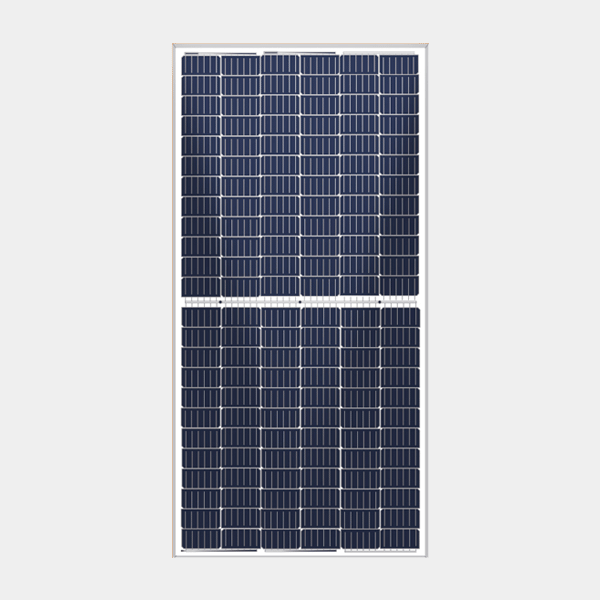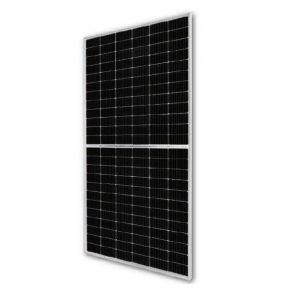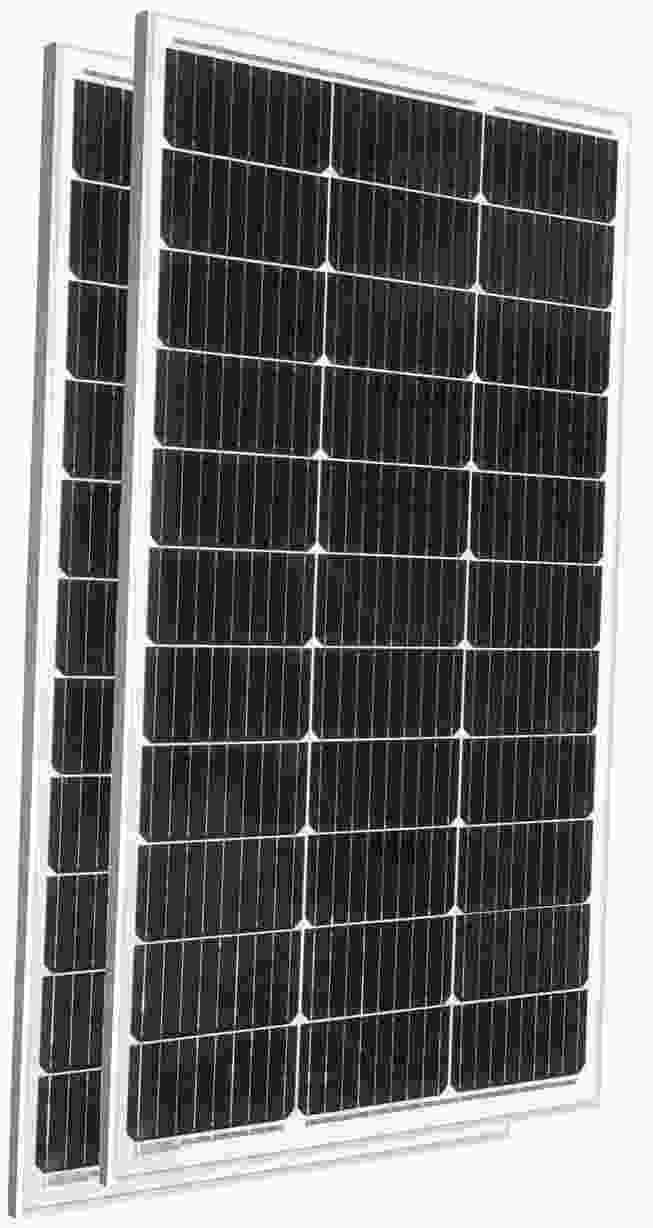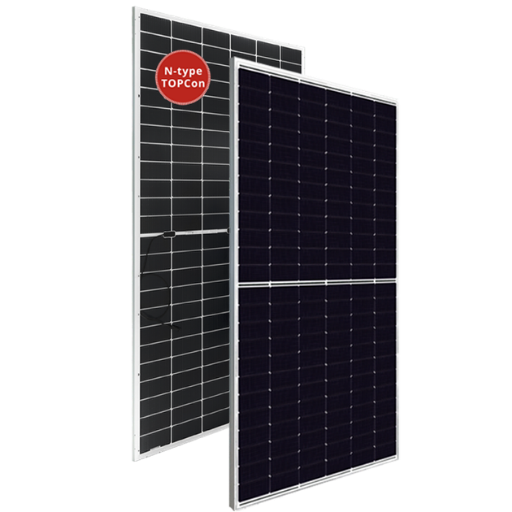
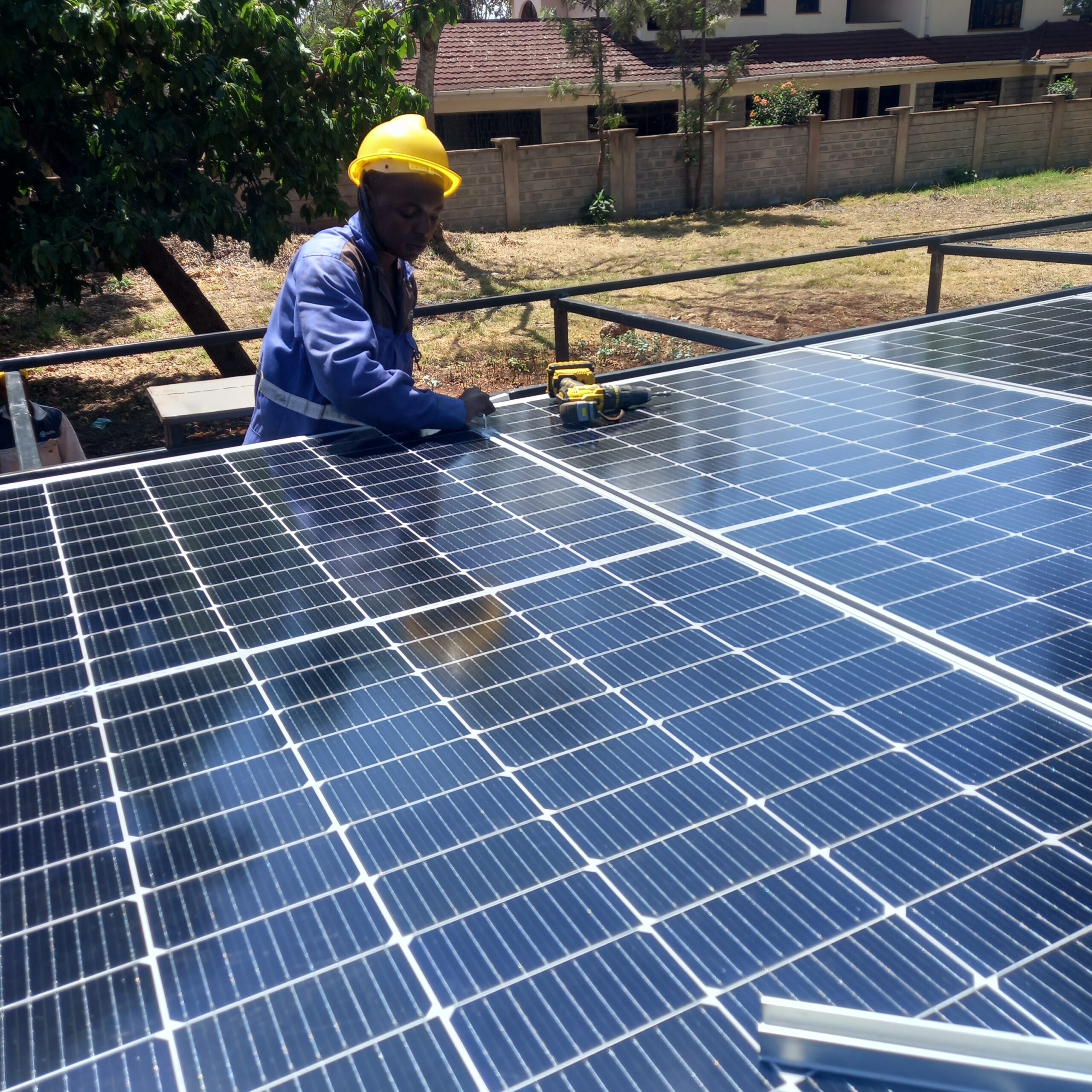
The 200 watts solar panel is a high-performance photovoltaic module that converts sunlight into usable electrical energy using advanced solar cell technology. It forms an essential part of both grid-tied and off-grid solar power systems. During daylight hours, photovoltaic cells absorb sunlight and generate direct current (DC) electricity. This electricity can power DC appliances directly, charge batteries through a charge controller, or be converted into alternating current (AC) electricity using a solar inverter. A 200W panel is commonly installed in residential, commercial, agricultural, and mobile solar applications. It is suitable for users who require dependable energy without relying entirely on the national electricity grid. Depending on the system design, multiple 200W solar panels can be connected together to increase total power generation and support larger energy requirements. Key Features Generates up to 200 watts of solar power under ideal sunlight conditions, making it suitable for daily energy production. High-efficiency photovoltaic cells maximize electricity generation even during moderate sunlight. Durable tempered glass protects the solar cells from weather damage and impacts. Corrosion-resistant aluminum frame improves structural strength and outdoor durability. Weatherproof junction box protects electrical connections against dust and moisture. Compatible with MPPT and PWM charge controllers for flexible installation. Suitable for both 12V and 24V battery systems depending on configuration. Low maintenance requirements reduce operating costs over the product’s lifespan. Designed for Kenya’s sunny climate and performs well in high temperatures. Long operational life provides dependable renewable energy for over two decades. Technical Specifications Specification Details Brand Various leading brands available at Solar Panels Shop Model 200 Watts Solar Panel Power Rating 200 Watts Maximum Power Voltage (Vmp) Approximately 18–20V Open Circuit Voltage (Voc) Approximately 22–24V Maximum Current (Imp) Approximately 10–11A Cell Type Monocrystalline or Polycrystalline Efficiency Approximately 19%–23% (varies by manufacturer) Frame Material Anodized Aluminum Front Glass Tempered Glass Weight Approximately 10–13 kg Dimensions Approximately 1400 × 700 × 35 mm (varies by brand) Operating Temperature -40°C to 85°C Warranty Up to 25 Years Performance Warranty Country of Origin Depends on Manufacturer How a 200 Watts Solar Panel Works A 200 watts solar panel operates through photovoltaic technology that converts sunlight into electricity. Step 1: Sunlight strikes the photovoltaic cells. Step 2: Silicon solar cells generate direct current (DC) electricity. Step 3: The electricity flows through electrical wiring. Step 4: A charge controller regulates charging when batteries are connected. Step 5: Batteries store energy for use at night or during cloudy weather. Step 6: A solar inverter converts DC electricity into AC electricity for household appliances. Step 7: Electricity powers lights, televisions, routers, refrigerators, security systems, and other compatible electrical equipment. This process enables clean, renewable energy production with minimal environmental impact. Benefits For Homeowners Lowers monthly electricity bills. Provides backup power during outages. Supports lighting, televisions, Wi-Fi routers, and charging devices. Reduces dependence on grid electricity. Offers long-term savings with minimal maintenance. For Businesses Reduces operating expenses. Powers office equipment and security systems. Supports uninterrupted business operations. Enhances sustainability initiatives. Improves energy reliability. For Off-Grid Applications Ideal for remote homes. Suitable for farms and irrigation systems. Powers communication equipment. Charges battery banks efficiently. Supports rural electrification projects across Kenya. Common Uses A 200 watts solar panel is commonly used for: Residential homes Apartments Rural homes Schools Universities Hospitals Health centres Farms Poultry houses Dairy farms Borehole systems Solar water pumping systems Security lighting CCTV systems Offices Shops Hotels Campsites Caravans Boats Mobile solar systems Telecommunications equipment Advantages and Limitations Advantages Clean renewable energy source. Low maintenance costs. Long service life. Quiet operation. Reduces electricity bills. Environmentally friendly. Suitable for Kenya’s climate. Expandable by adding more panels. Compatible with hybrid solar systems. Reliable daily energy production. Limitations Power generation depends on sunlight availability. Battery storage is needed for nighttime use. May not power high-consumption appliances alone. Performance decreases under heavy shading. Installation requires adequate roof or ground space. Output varies with weather conditions. Installation Requirements Proper installation improves performance and system lifespan. Space Requirements Install where there is unobstructed sunlight. Avoid trees, buildings, and shadows. Face the panel toward maximum sunlight exposure. Ensure adequate ventilation beneath the panel. Electrical Requirements Compatible charge controller. Suitable solar inverter. Proper cable sizing. Correct fuse protection. Battery bank if energy storage is required. Compatibility Requirements Compatible with: MPPT charge controllers PWM charge controllers Lithium batteries Gel batteries AGM batteries Lead-acid batteries Hybrid inverters Off-grid inverters Grid-tied systems Safety Considerations Install using certified mounting structures. Follow electrical safety standards. Properly earth the solar system. Use weather-resistant connectors. Hire qualified solar installers where possible. Maintenance Guide Routine maintenance helps maintain high energy production. Cleaning Clean every 2–4 weeks. Remove dust, leaves, and bird droppings. Use clean water and a soft cloth. Avoid abrasive cleaning materials. Inspection Check regularly for: Loose wiring Cracked glass Corrosion Shading from new tree growth Loose mounting bolts Replacement Intervals Solar panel: 25 years or more Connectors: Inspect annually Mounting hardware: Inspect annually Charge controller: Replace only if faulty Inverter: Usually 10–15 years depending on usage Best Practices Keep the surface clean. Prevent permanent shading. Monitor system performance. Schedule annual inspections. Use quality installation materials. Product Comparison Feature 100W Solar Panel 200W Solar Panel 400W Solar Panel Power Output Lower Medium High Daily Energy Production Low Moderate High Battery Charging Speed Moderate Faster Fastest Installation Space Small Medium Larger Suitable for Homes Small loads Medium loads Large loads Cost Lower Moderate Higher Expandability Good Excellent Excellent Buying Considerations Choose a 200 watts solar panel if you need: Reliable battery charging. Medium daily energy production. Affordable solar installation. Expandable solar systems. Backup power for essential appliances. Featured Snippet Answers What is a 200 watts solar panel? A 200 watts solar panel is a photovoltaic module that converts sunlight into electricity. It is commonly used to charge batteries, power small appliances, and support residential, commercial, and off-grid solar energy systems. It offers a practical balance between energy output, cost, and installation space. How does a 200 watts solar panel work? A 200 watts solar panel uses photovoltaic cells to convert sunlight into direct current electricity. The electricity passes through a charge controller to charge batteries or through a solar inverter to supply alternating current power for household and commercial electrical appliances. What are the benefits of a 200 watts solar panel? A 200 watts solar panel reduces electricity bills, provides renewable energy, supports battery charging, requires minimal maintenance, operates quietly, and works well in both off-grid and hybrid solar systems. It also offers long-term savings while reducing dependence on traditional electricity sources. How much power does a 200 watts solar panel produce? A 200 watts solar panel can generate approximately 0.8 to 1.2 kilowatt-hours (kWh) of electricity per day in Kenya, depending on sunlight hours, panel orientation, weather conditions, and system efficiency. Is a 200 watts solar panel worth buying? Yes. A 200 watts solar panel is a cost-effective investment for homeowners, farms, businesses, and off-grid users who need reliable renewable energy. It provides dependable power, lowers electricity costs, and offers a long service life with minimal maintenance. Frequently Asked Questions Is a 200 watts solar panel suitable for a 3-bedroom house? A single 200W panel can power basic loads but is not enough for an entire three-bedroom house. Multiple panels are recommended. How much electricity does a 200W solar panel generate daily? Under Kenya’s sunlight conditions, it typically produces around 0.8–1.2 kWh per day. Can it charge a battery? Yes. It efficiently charges compatible batteries when connected through a suitable charge controller. Can it work without grid power? Yes. It is ideal for off-grid solar systems when combined with batteries and an inverter. Can it power a refrigerator? It can contribute to powering an efficient refrigerator as part of a properly sized solar system with battery storage. Is it suitable for Kenya’s climate? Yes. Kenya receives excellent solar irradiation, making a 200 watts solar panel highly effective throughout most of the year. How long does it last? Most quality panels have a lifespan exceeding 25 years with proper maintenance. Can I connect several 200W panels together? Yes. Multiple panels can be wired in series or parallel depending on the inverter and system design. Does it require maintenance? Yes, but maintenance is minimal and mainly involves cleaning and periodic inspections. Does it work during cloudy weather? Yes, although power output is lower compared to bright sunny conditions. What warranty is included? Warranty depends on the manufacturer, with many offering up to 25 years performance warranty. Can it be installed on any roof? Most roofs can support a 200W panel if they are structurally sound and receive adequate sunlight. What appliances can it power? It can support LED lights, televisions, routers, fans, laptops, CCTV systems, and battery charging depending on the complete solar system design. Is monocrystalline better than polycrystalline? Monocrystalline panels generally provide higher efficiency and better performance where installation space is limited. Where can I buy a 200 watts solar panel in Kenya? You can purchase genuine 200 watts solar panels from Solar Panels Shop, with delivery available to Nairobi, Mombasa, Kisumu, Nakuru, Eldoret, and other locations across Kenya. Expert Buying Advice A 200 watts solar panel is an excellent choice for homeowners, farmers, small businesses, schools, and anyone building a reliable renewable energy system. It suits users looking for efficient battery charging, backup power, or medium-scale off-grid electricity. If your daily energy demand includes large appliances such as electric cookers, water heaters, or multiple air conditioners, consider installing several 200W panels or choosing higher-capacity modules. Before purchasing, check: Daily electricity consumption. Available installation space. Battery storage requirements. Inverter compatibility. Charge controller type. Warranty coverage. Panel efficiency. Future expansion plans.